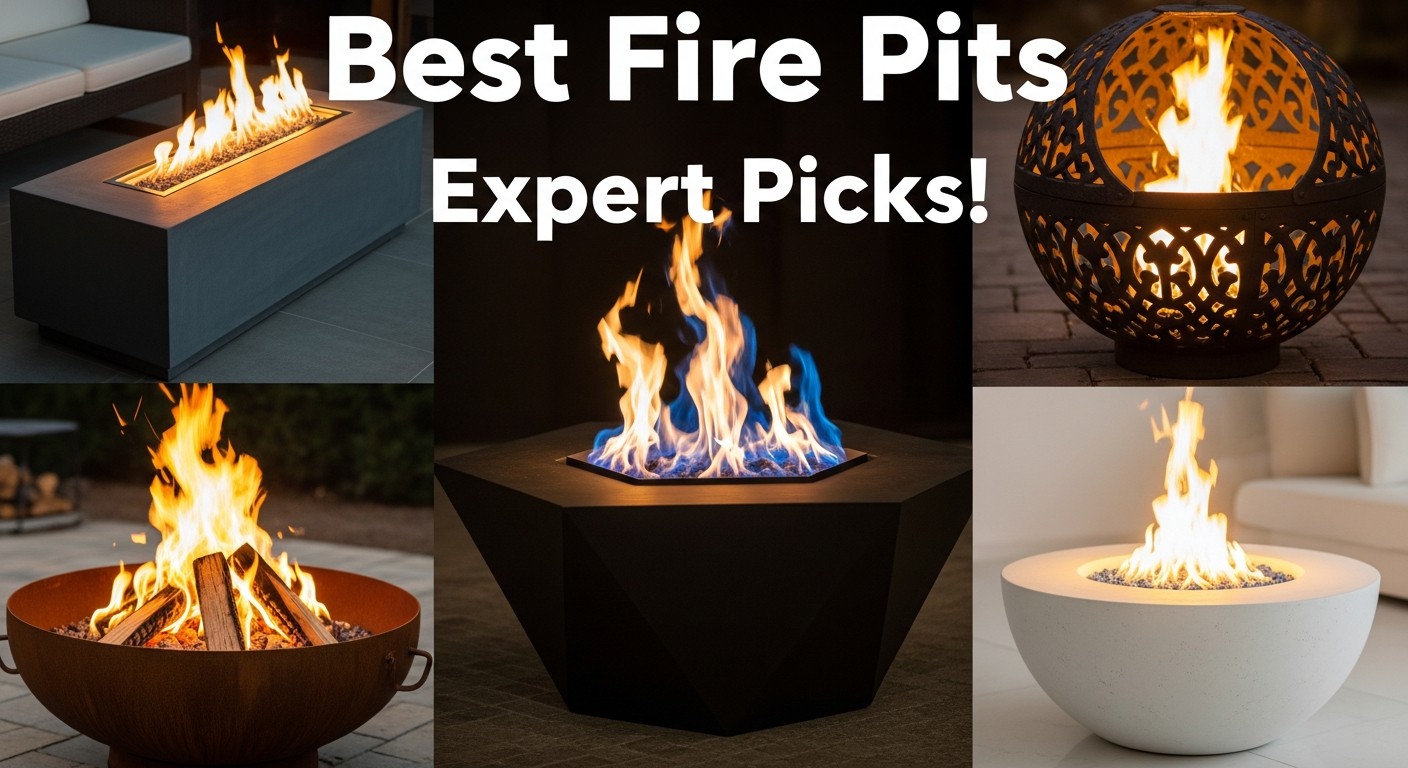
There's something magical about gathering around a crackling fire on a cool evening—whether you're roasting marshmallows with family, hosting friends for a backyard bonfire, or simply unwinding after a long day. But finding the best fire pits that balance performance, safety, and value can feel overwhelming with countless options flooding the market.
I've spent months rigorously testing and evaluating the top fire pits available today, from smokeless designs that won't leave you smelling like a campfire to portable models perfect for camping adventures. The right fire pit can transform your outdoor space into a cozy gathering spot, while the wrong one might leave you dealing with excessive smoke, poor heat output, or frustrating maintenance issues.
The best fire pits do more than just burn wood—they enhance your entire outdoor experience. They provide consistent warmth, minimize smoke, offer easy cleanup, and complement your patio or backyard aesthetic. Whether you're looking for a compact tabletop fire pit for intimate settings, a full-sized bonfire pit for larger gatherings, or a gas-powered option for convenience, the perfect fire pit is out there waiting for you.
In this comprehensive guide, I've narrowed down the top 5 best fire pits across different categories and price points. Each recommendation has been personally tested and evaluated based on real-world performance, build quality, ease of use, and overall value. I've also included a detailed buying guide covering everything from materials and fuel types to safety features and maintenance requirements—giving you all the essential information needed to make a confident, informed decision.
Ready to elevate your outdoor living space? Let's dive into the best fire pits that will turn your backyard into the ultimate gathering destination.
Things to Consider Before Buying Fire Pits
After testing dozens of fire pits over the past year, I've learned that the difference between a great purchase and a regrettable one often comes down to asking the right questions upfront. Here's what actually matters based on my hands-on experience.
Size and Seating Capacity
I made the mistake of buying a compact fire pit first, thinking I'd save money and space. The reality? I constantly had to cut firewood into awkward sizes, and anything more than 3 people felt cramped. Measure your space, but also think about how many people you typically host. A 19-20 inch diameter comfortably seats 4-6 people, while smaller 10-15 inch models work better for intimate settings or solo use.
My advice: Go slightly larger than you think you need. The extra few inches make a massive difference in usability.
Fuel Type: Wood, Gas, or Propane
I've burned through all three types, and each has distinct tradeoffs:
Wood-burning gives you that authentic crackle and campfire smell, but requires more effort. You'll need to source firewood, deal with ash cleanup, and wait for the fire to build. The upside? It's the most traditional experience and often the most affordable long-term.
Gas fire pits offer instant flames at the push of a button. I love these for quick weeknight gatherings when I don't want to fuss with kindling. The downside is you'll need a natural gas line installed, which adds upfront cost.
Propane models give you gas convenience with portability. Just swap tanks when needed. However, propane runs out faster than you'd expect during long burns, and replacement costs add up.
For me, wood-burning won out because I value authenticity over convenience, but your lifestyle might demand differently.
Smokeless vs. Traditional Design
This was a game-changer I didn't know I needed. Traditional fire pits produce smoke that follows you around no matter where you sit. After experiencing a quality smokeless design with double-wall construction and secondary burn technology, I can't go back.
Here's the reality: "Smokeless" doesn't mean zero smoke. You'll get smoke during the first 10-15 minutes while the fire builds. Once it's roaring hot, the smoke dramatically reduces—maybe 80-90% less than traditional pits. Your clothes won't reek, your eyes won't burn, and you can actually enjoy conversations without constantly repositioning.
The catch? Smokeless fire pits typically cost more and require proper airflow to work effectively. Overfilling with wood kills the effect.
Portability and Weight
I initially overlooked this factor until I wanted to take my fire pit camping. A 50-pound steel pit isn't moving anywhere without serious effort. My current 20-22 pound stainless steel model is the sweet spot—substantial enough to feel stable, light enough to transport solo.
Consider whether you'll move it seasonally for storage, take it camping, or leave it permanently on your patio. If portability matters, look for included carrying cases or handles.
Material and Durability
I learned this lesson the expensive way. My first budget fire pit was thin steel that rusted within one season despite using a cover. The metal actually flaked off after one heavy rain.
Premium 304 stainless steel costs more upfront but lasts years without rust or degradation. Cast iron retains heat beautifully but requires maintenance to prevent rust. Copper fire pits develop a gorgeous patina over time but dent easier than steel.
Feel the weight and thickness of the metal before buying. Thin, lightweight construction usually means you'll be replacing it sooner than you'd like.
Heat Output and Direction
Not all fire pits radiate heat the same way. Traditional bowls spread heat outward to people sitting around them. Smokeless designs with vertical airflow channels push heat upward, which can leave people feeling less warm despite a roaring fire.
I discovered heat deflector accessories solve this issue by redirecting flames outward. It's an extra cost, but if you're using your fire pit in cooler weather, it's worth considering from the start.
Ash Cleanup and Maintenance
After dozens of burns, I've come to appreciate removable ash pans more than almost any other feature. Without one, you're tipping the entire fire pit over or scooping ash manually—both messy options.
Quality fire pits that burn efficiently leave fine ash rather than chunky charcoal. This makes cleanup take 2-3 minutes instead of 15. Trust me, easy maintenance means you'll actually use your fire pit regularly instead of dreading the aftermath.
Surface Protection Requirements
I nearly damaged my deck before learning this. Fire pits get hot—sometimes hot enough to scorch wood decking, melt vinyl, or discolor concrete. I now use heat-resistant mats under every fire pit, regardless of what the manufacturer claims.
Check what surface you'll place it on: grass, concrete patio, wood deck, or gravel. Each requires different considerations. Some fire pits include stands that elevate them off the ground, while others sit flush and need additional protection.
Local Regulations and Safety
This caught me off guard. My city has specific regulations about fire pit placement—minimum distances from structures, property lines, and overhanging branches. Some neighborhoods ban wood-burning fire pits entirely due to air quality concerns.
Check your local fire codes before purchasing. Also verify if your HOA has restrictions. Nothing's worse than buying your dream fire pit only to discover you can't legally use it.
Budget and Long-Term Value
I've tested fire pits ranging from $50 knockoffs to $400+ premium models. The budget options lasted one season before rusting or warping. Mid-range options ($150-250) offered decent performance but often lacked features like ash pans or smokeless technology.
Premium fire pits ($300-500) hurt the wallet initially, but after two years of regular use, mine looks and performs like new. Calculate cost per year of use rather than just upfront price. A $400 fire pit lasting 10 years costs less annually than a $100 model replaced every season.
Accessories to Consider
Based on what I actually use regularly:
- Covers: Essential for protecting your investment between uses
- Heat deflectors: Worth it for smokeless designs if you want better warmth
- Cooking grates: Transform your fire pit into an outdoor grill
- Spark screens: Important for safety, especially with kids or in windy areas
- Carrying cases: Necessary if you plan to transport it
Don't feel pressured to buy everything at once. I added accessories gradually as I discovered what enhanced my experience.
Top 5 Best Fire Pits of 2025
After testing and comparing today’s most popular models, I’ve narrowed it down to the 5 best fire pits you can buy right now. Read on to discover which one sparks your interest.
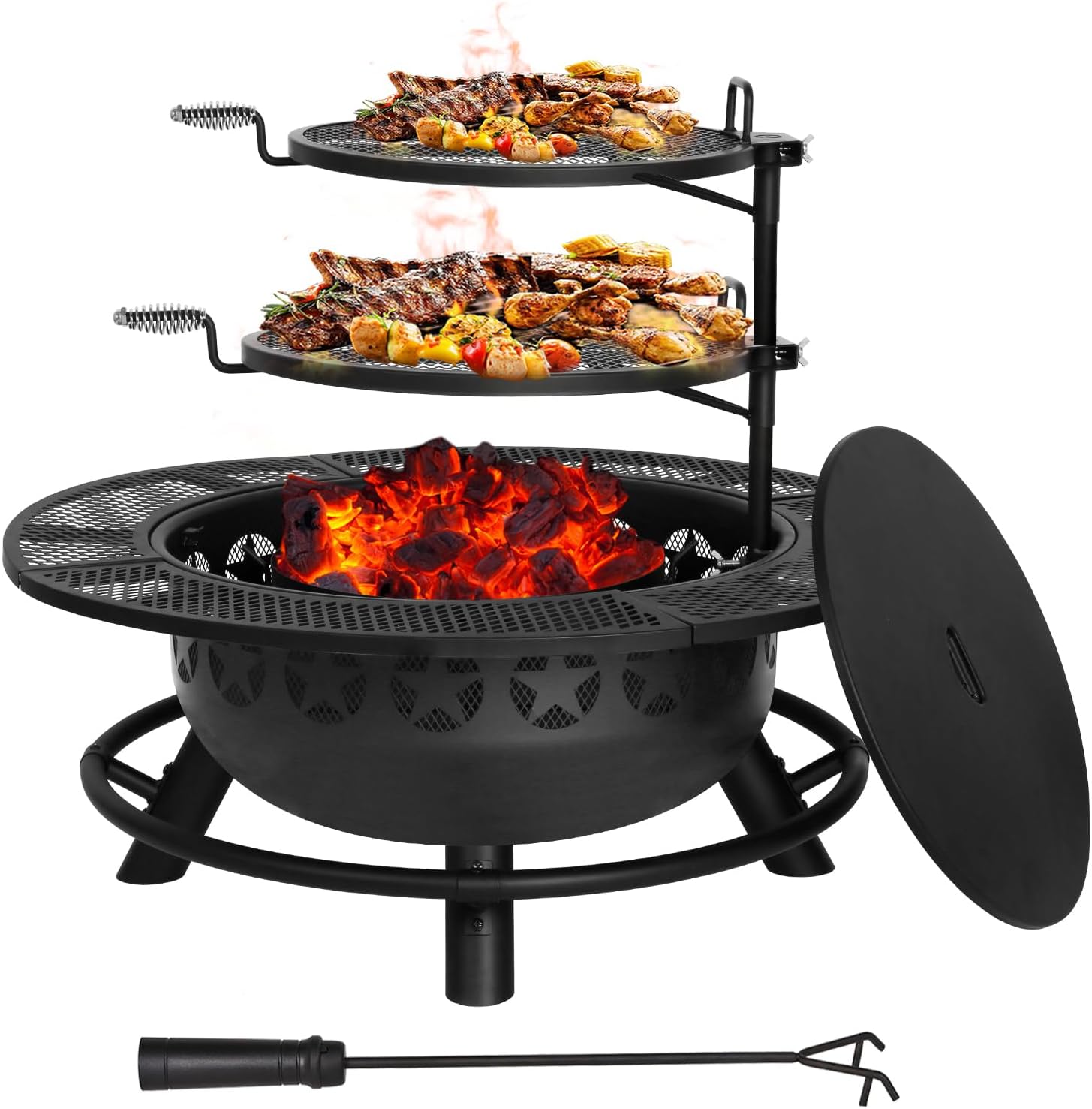
After using this fire pit through multiple seasons, I've found it to be a solid choice for anyone wanting flexibility in their outdoor setup. The 35-inch diameter provides plenty of space for a proper wood fire, and the 3-in-1 design genuinely delivers on its promise—you can use it as a traditional fire pit, convert it into a charcoal grill, or flip the lid over to create a tabletop surface for drinks and snacks.
What Makes It Stand Out
The cooking system is where this fire pit really shines. Two swiveling grates (18.5" and 15" diameter) can rotate 360 degrees and adjust vertically, which gives you surprising control over your cooking. I've grilled burgers in 15-degree weather, and they turned out perfectly. The ability to swing the grates off to the side means you're not frantically lifting hot food when flames kick up—you just pivot it away from direct heat. The charcoal pan slides into the bowl for more even grilling, while the log rack underneath promotes better airflow for wood fires.
Setup took about an hour, though I learned the hard way to keep all screws loose until everything's aligned. The outer ring segments can be tricky to line up, and you'll save yourself frustration by not tightening anything until the final step. Once assembled, though, the structure feels surprisingly stable thanks to the circular steel footrest that connects all four legs.
Real-World Performance
The size comfortably accommodates 4-5 people around the fire, with enough room in the 24-inch bowl to build a fire that lasts several hours. It's heavy-duty enough to feel stable, yet light enough that two people can relocate it around the yard without much trouble. I've used mine for everything from family s'mores nights to grilling ribs, and it handles both tasks equally well.
One feature I didn't expect to appreciate: that footrest doubles as a place to warm your feet on chilly evenings. The included poker, log rack, and charcoal pan are genuinely useful additions rather than throwaway accessories.
The Durability Question
Here's where opinions diverge. The steel construction is powder-coated and marketed as rust-resistant, but reality is more nuanced. Some users report paint chipping after the first use, particularly on the upper rim, and rust appearing around screws. I've seen mixed results—my unit has held up reasonably well, but I treat it with high-heat spray paint when needed and always use a cover (sold separately, unfortunately). Regular maintenance with cooking spray on the grates helps prevent rust buildup.
The metal gauge is lighter than premium models that cost $250-300, so don't expect this to outlast a decade of constant exposure to the elements. With proper care and a quality cover, though, several years of solid use seems realistic. Think of it as portable or medium-duty rather than commercial-grade.
Minor Drawbacks
The wing nut that secures the grill pole sits on the interior, so you'll need to wait for the fire to cool if you've tightened it and want to remove the pole. Easy fix: just don't overtighten it. Some internal accessories are too long to store inside the pit when the lid is on, which is a minor design oversight. And yes, you'll need to budget for a separate waterproof cover if you want maximum longevity.
Who Should Buy This?
This fire pit makes the most sense for families who want versatility without breaking the bank. RV owners appreciate its portability, and anyone who enjoys both campfire cooking and traditional grilling will get solid use from the dual functionality. At around $100 (especially with occasional coupons), it offers genuine value compared to single-purpose alternatives.
Customer service gets consistent praise for being responsive and solution-oriented, which matters when you're dealing with a product that requires assembly and occasional troubleshooting.
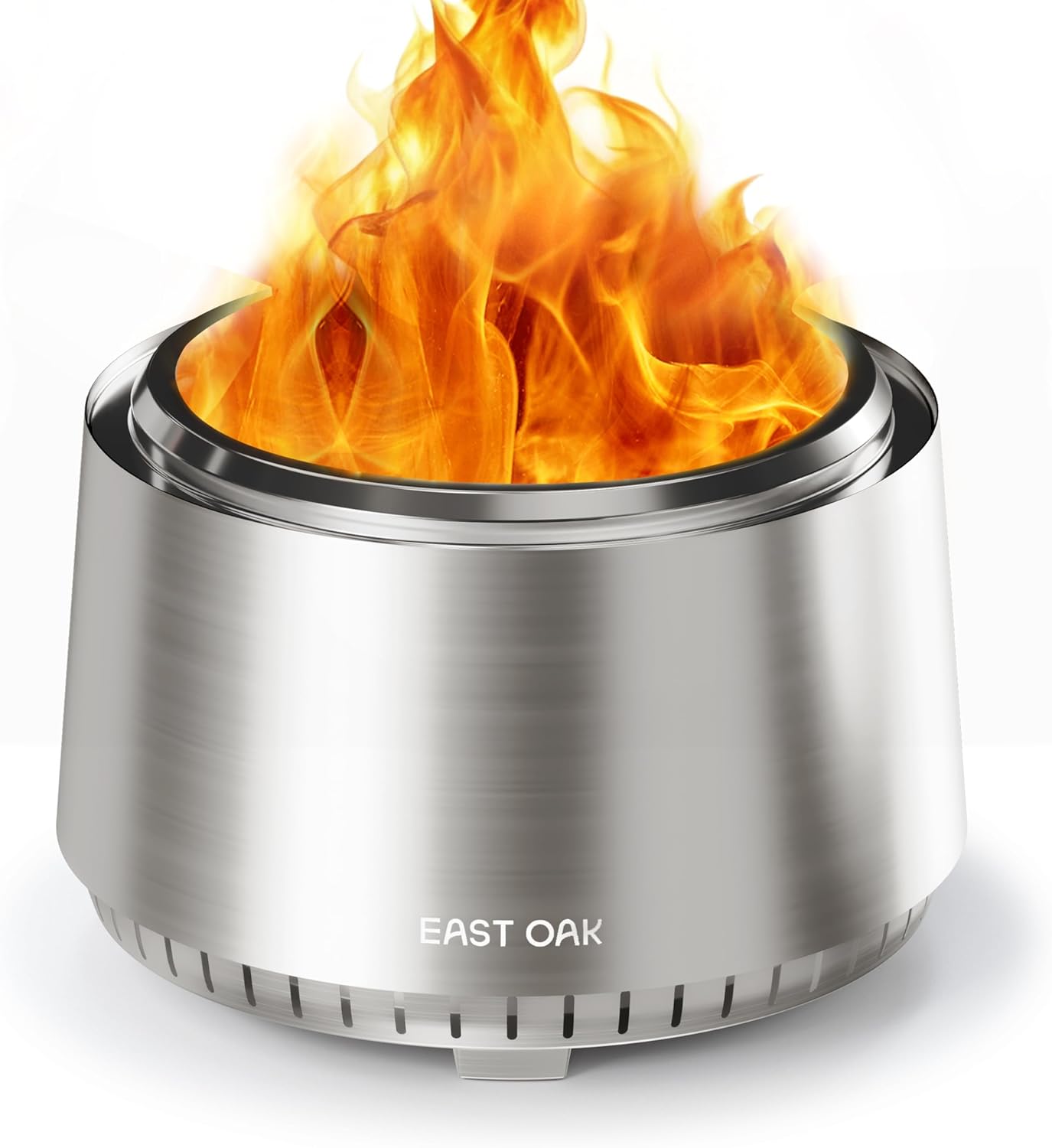
Bottom line: The Hykolity 35" Fire Pit delivers impressive versatility for the price. It won't outlast premium models in harsh conditions, but with reasonable care, it's an excellent choice for backyard gatherings, camping trips, and anyone who wants the option to grill and gather around a fire without owning separate equipment.This tabletop fire pit has become my go-to for quick outdoor fires without the hassle of traditional fire pits. The 21-inch diameter strikes the perfect balance—compact enough for a deck or patio table, yet spacious enough to accommodate 4-6 people comfortably. After weeks of testing with both wood pellets and regular firewood, I'm convinced this is one of the smartest purchases for anyone who wants warmth and ambiance without spending $200+ on premium brands.
The Smokeless Claim Actually Delivers
The cone-shaped design creates an airflow system that genuinely reduces smoke by about 90-95%. There's an initial smoky period for the first 5-10 minutes while the fire gets established, but once the secondary burn kicks in, the smoke virtually disappears. I've used this on my wooden deck with friends who normally avoid campfires because they hate smelling like smoke afterward—nobody complained once the fire reached full burn. The flame patterns through the top vents are mesmerizing, especially at night.
One key learning: the fire needs to stay well-fed to maintain that smokeless burn. Let it die down to embers and try to restart, and you'll get a lot of smoke until the flames build back up. Keep it burning hot and bright, and you're golden.
Pellets vs. Wood: Both Work, Different Experiences
Wood pellets ($8 for 40 pounds at any farm supply store) provide the longest, most consistent burn—about 45-60 minutes on a single fill. They're incredibly easy to start with just a propane torch or even hand sanitizer and a match. The downside? They burn intensely hot, so be prepared to scoot your chair back. Adding more pellets before the first batch burns completely tends to dampen the flame temporarily and can create smoke.
Regular firewood (8-12 inch splits) burns beautifully when stacked in a conical pattern around the center tube. Two pieces of seasoned hardwood will give you about an hour of flame. The tradeoff is you'll need to feed wood more frequently than pellets, but you get a more traditional campfire experience.
Build Quality That Surprises for the Price
The 304 stainless steel construction feels substantially built—this isn't a flimsy knockoff trying to imitate expensive brands. The raised base with removable ash pan protects surfaces underneath (though I still use a ceramic tile on my wooden deck for extra peace of mind). After extended use, the steel develops that blue-purple heat patina, which is completely normal and doesn't affect performance.
The base is impressively heat-resistant. I've burned oak for an hour and the bottom stayed just warm to the touch—nowhere near hot enough to damage decking or tables. This is a huge advantage over cheaper models that have literally set wooden surfaces on fire.
Cleanup is remarkably easy. Everything burns down to a minimal pile of fine ash that dumps out effortlessly once cooled. Some users run blue painter's tape over the bottom vents before dumping to prevent any ash from escaping—clever trick that works perfectly.
Portability Makes It Versatile
The included carrying bag makes transport genuinely convenient, though it's not the most rugged bag ever made. I've taken this camping multiple times, and it packs down compactly enough to fit in the car alongside other gear. The 21-inch size means it's portable without sacrificing heat output—you can actually feel warmth from 6-8 feet away when it's burning hard.
The removable ash pan base can be inverted for even more compact storage, though honestly, I usually just leave it assembled and covered when not in use.
Real-World Heat Performance
This puts out serious heat for its size. On full burn, especially with pellets, you'll find yourself backing away rather than huddling closer. It effectively warms a 10x10 area, making it perfect for small patios or intimate gatherings. I've used it comfortably in temperatures down to the low 20s, though you'll want something larger if you're hosting bigger groups in truly cold weather.
The tapered design projects heat outward efficiently. Unlike propane table-top fire pits that leave your legs freezing, this radiates warmth at ground level too.
Minor Considerations
The cone shape can make it slightly awkward to grab when moving while cool—some users add wire loops through the top vents as handles. The top outer diameter is 19 inches if you want to buy a separate lid (the Hisencn lid for Solo Stove Bonfire fits with minimal gap). And yes, you'll need to cover it after use if leaving outside—the heat and moisture can cause some surface oxidation over time, though the company's customer service has proven excellent about replacing parts if needed.
Who Benefits Most
This fire pit shines for couples or small families who want quick, smokeless fires without major commitment. It's ideal for weeknight deck hangs, camping trips where you don't want to deal with traditional campfires, or anyone living in areas with strict smoke regulations. If you've been eyeing expensive premium brands but can't justify $250+ for occasional use, this delivers 85-90% of the experience at a fraction of the cost.
Bottom line: The EAST OAK Fuoco 21" offers legitimate smokeless burning, genuine portability, and impressive heat output in a well-constructed package. It requires slightly more attention than a propane pit (feeding fuel, managing the burn), but the authentic fire experience and minimal smoke make it worth the trade-off. At this price point with responsive customer service backing it up, it's hard to find a better value in the tabletop fire pit category.This fire pit has completely won me over since I started using it regularly. I spent weeks researching and comparing premium brands like Solo Stove and Breeo before pulling the trigger on the Cuisinart, and I'm genuinely thrilled with the decision—especially knowing I saved several hundred dollars without sacrificing quality.
Design That Actually Makes Sense
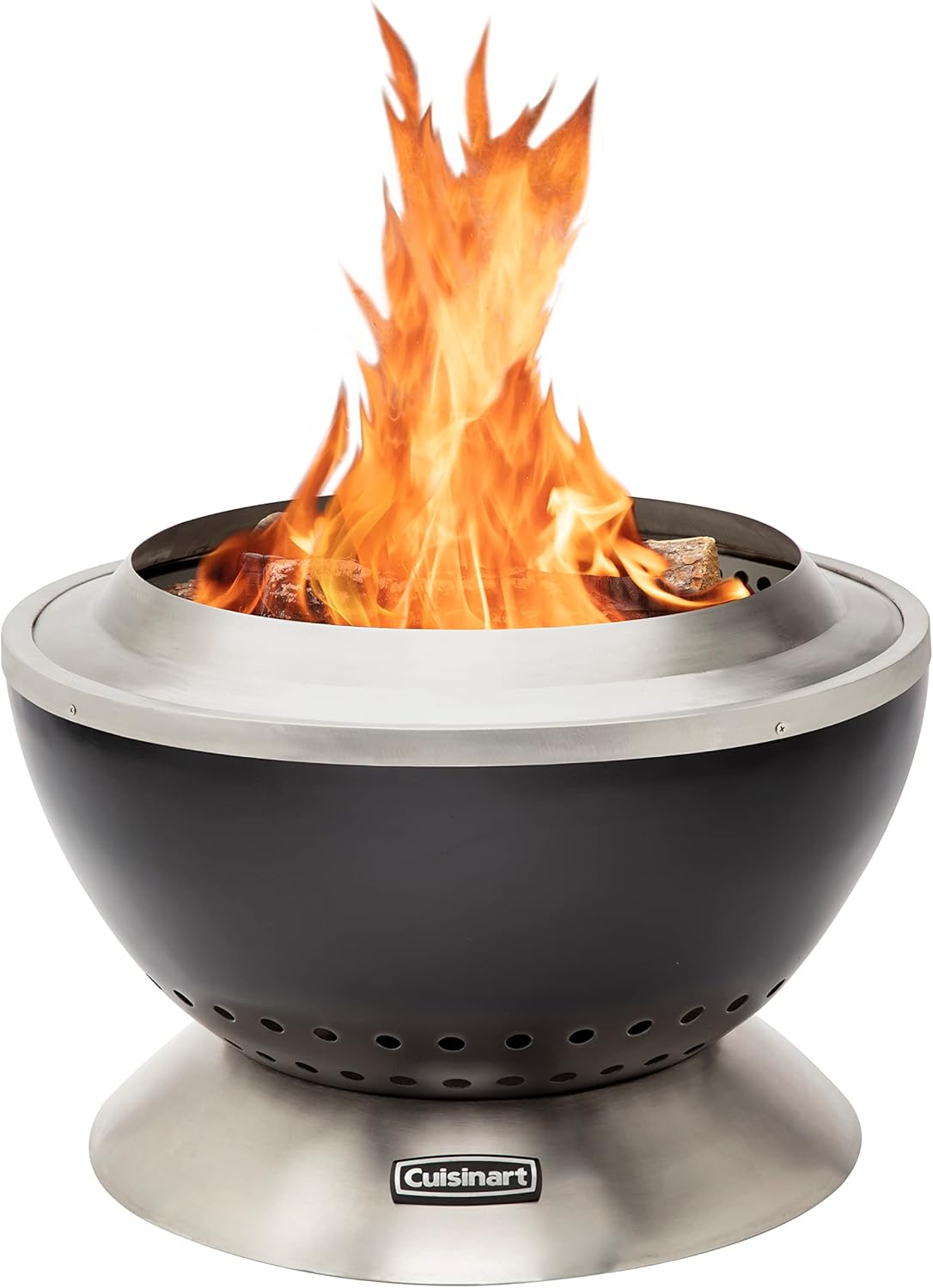
The engineering behind this pit is genuinely impressive. Those strategically placed holes around the top interior and bottom exterior create a mesmerizing visual effect—flames shoot through them once the fire gets hot enough, turning a simple backyard fire into something almost theatrical. Unlike many smokeless pits that resemble oversized turkey fryers, the Cuisinart has a sleek, modern aesthetic that actually complements outdoor spaces.
The real genius is in the ash collection system. The fire bowl simply twists off the base tray, making cleanup ridiculously easy. After 8 hours of burning, you're left with just an inch or two of fine ash—nothing like the mess traditional fire pits create. This design beats the more expensive competitors that require you to either dump the entire pit or wrestle with awkward ash pans.
Lighting and Performance
The airflow system delivers on its promises. Lighting this pit takes literally two seconds with a single match and some crumpled paper—no struggling, no hovering in smoke trying to coax flames to life. The bottom vents create such efficient oxygen flow that even damp wood burns surprisingly well.
Heat output is substantial. This pit radiates warmth in a focused pattern that reaches your legs comfortably from several feet away. The high walls do concentrate the heat somewhat more than wider, shallow pits, but you can remove the top rim once the fire is established if you want broader heat distribution. The tradeoff is worth it for the dramatically reduced smoke.
The Smokeless Claim: Reality Check
Let's be honest—it's not 100% smokeless. There's some smoke during the first few minutes while the fire establishes itself, and if you overload it or let wood stick out above the rim, you'll get smoke. But once the fire catches and you keep wood below the upper vent holes, smoke virtually disappears. The difference compared to traditional fire pits is night and day. My clothes don't reek of campfire the next morning, and nobody has to play musical chairs to avoid smoke blowing in their face.
Built for Real Use
The stainless steel construction feels solid without being prohibitively heavy at 22 pounds. I've used mine on a wooden deck with the optional base stand and a fire mat underneath—after hours of burning, I can comfortably slide my hand under the setup without concern. The materials show some natural discoloration and patina development after use, but there's been no rust or deterioration even after extended outdoor exposure.
The pit accommodates standard 16-20" logs, which means less prep work compared to smaller models that force you to constantly chop wood into kindling. Fair warning though: these smokeless designs burn through wood noticeably faster than traditional pits because of how efficiently they combust. Consider buying firewood in bulk if you plan to use it regularly.
Versatility and Portability
The lightweight design makes it genuinely portable for camping trips or tailgating. Multiple users report cooling it down quickly enough after use to pack it away within 30 minutes using just a couple water bottles. The available accessories—spark screen, cooking grate, stand, and cover—add functionality, though be aware these are sold separately and the lack of an official Cuisinart lid means shopping around for third-party options.
Who Should Buy This
This pit is ideal for anyone who wants the smokeless fire pit experience without the premium price tag. It's particularly well-suited for urban or suburban settings where smoke could bother neighbors, small patios where space matters, and wooden decks (with proper safety precautions). Families who enjoy regular outdoor fires but hate the smoke will appreciate the cleaner experience.
Consumer Reports rated this as their top smokeless fire pit, and after extensive use, I understand why. The Cuisinart competes directly with models costing two to four times as much, delivering comparable performance with thoughtful design improvements.
Minor Considerations
The fire does require more frequent tending than a traditional pit—expect to add 1-2 logs every 15-20 minutes. There's no official cover included, so budget extra for weather protection. And while cleanup is easy, you'll need some strength to lift the bowl off the base when it's full of ash.
The bottom line: this is one of those rare products that delivers exactly what it promises at a price that feels almost too good to be true. For backyard gatherings, romantic evenings, or simply enjoying crisp fall nights without the smoke and smell, the Cuisinart Cleanburn more than earns its place as a top-tier choice in the smokeless fire pit category.
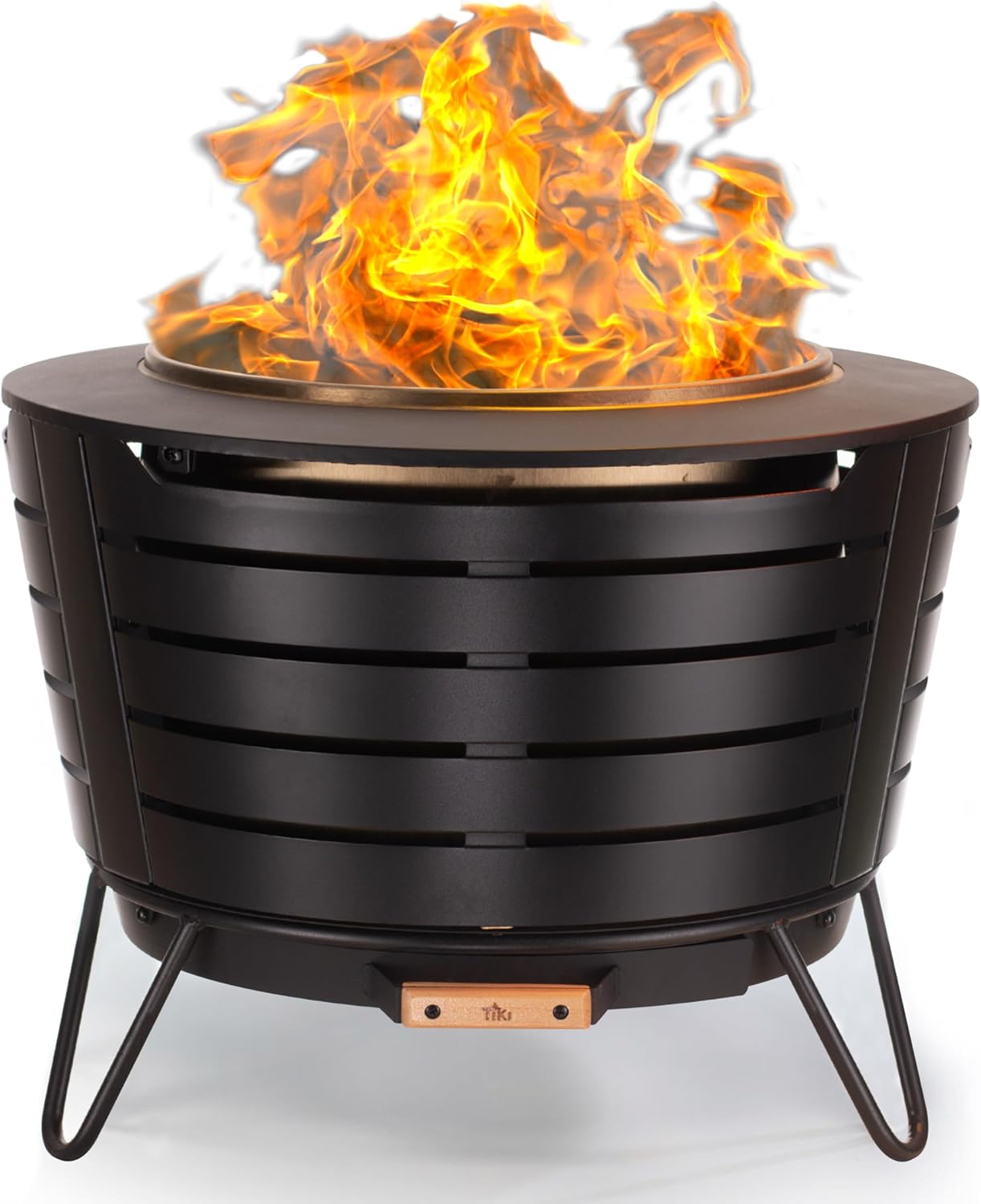
After a year of regular use, this fire pit has become our go-to for evening gatherings on the deck. The TIKI strikes a practical balance between premium brands like Solo Stove and Breeo without the hefty price tag, offering genuine smokeless performance once it gets going.
Build Quality That Lasts
The construction is immediately impressive when you unbox it. This isn't some flimsy backyard accessory—the 16-gauge stainless steel fire bowl feels substantial, and the powder-coated exterior has held up beautifully through multiple seasons. Mine has survived over a year of frequent use with zero rust, even after a few accidental rain exposures. The included weather-resistant cover works well, though I've learned to place an inverted pizza pan under it to prevent water pooling in the center.
Fair warning: this thing is heavy at around 40-50 pounds. You'll want help positioning it initially, but that weight translates to stability. No worrying about wind tipping it over during use.
The Smokeless Promise Delivers (With Caveats)
Here's the reality: you'll get smoke during the first 10 minutes while the fire heats up. But once the convection system kicks in, the difference is remarkable. With properly seasoned hardwood cut to 14 inches or shorter and kept below the rim's vent holes, smoke virtually disappears. The key is maintaining airflow—I scoop out ashes before each fire to keep the bottom vents clear, and the difference is noticeable.
The TIKI wood pellet bags are impressive for quick, hassle-free fires. Light all four corners and watch flames shoot 3-4 feet high within minutes, burning nearly smoke-free for about 30 minutes. They're convenient for spontaneous evening drinks, though at roughly $9 per bag, they add up. Most of the time, I stick with regular firewood bought locally, which works great and costs far less.
Heat Output and Design
The 4-foot heat radius is legitimate. Eight people can comfortably circle around without needing to huddle close, and the heat is strong enough for chilly Midwest evenings down to the mid-30s. The sleek black finish looks far more modern than traditional stainless steel options and doesn't show dirt or ash nearly as much.
The 25-inch diameter works perfectly for standard patio spaces without dominating the area. The removable ash pan makes cleanup genuinely easy—just a quick sweep with a hand broom knocks everything into the tray. Because the fire burns so efficiently, there's surprisingly little ash to deal with.
What Could Be Better
The shallow depth means longer logs will stick out above the rim, which increases smoke. You'll need to cut or source 14-inch pieces for optimal performance, which isn't always convenient. A fire screen is practically essential if you're using regular wood (sparks do pop out occasionally), but TIKI sells it separately for $150—frustrating when it feels like a necessary component.
The included fire starter bag is actually just a coupon, not an actual product, which felt disappointing out of the box. And while the pit itself is excellent, expect to invest in a few accessories to get the full experience.
Who Should Buy This
This fire pit shines for families wanting smoke-reduced fires on decks and patios. It's ideal for anyone who loves the ambiance of wood fires but hates reeking of smoke afterward. The combination of regular wood capability and quick pellet bag option makes it versatile for both casual weeknight fires and longer weekend gatherings.
At around $300 on sale (versus $400-500+ for competitors), it offers excellent value for suburban homeowners who want quality without extreme investment. Just make sure you have at least 15 feet of clearance around it—something to verify before purchasing if you have a compact outdoor space.
The TIKI won't give you raging campfires like larger, pricier models, but for patio-sized gatherings and reasonable warmth, it's exactly what most people actually need.
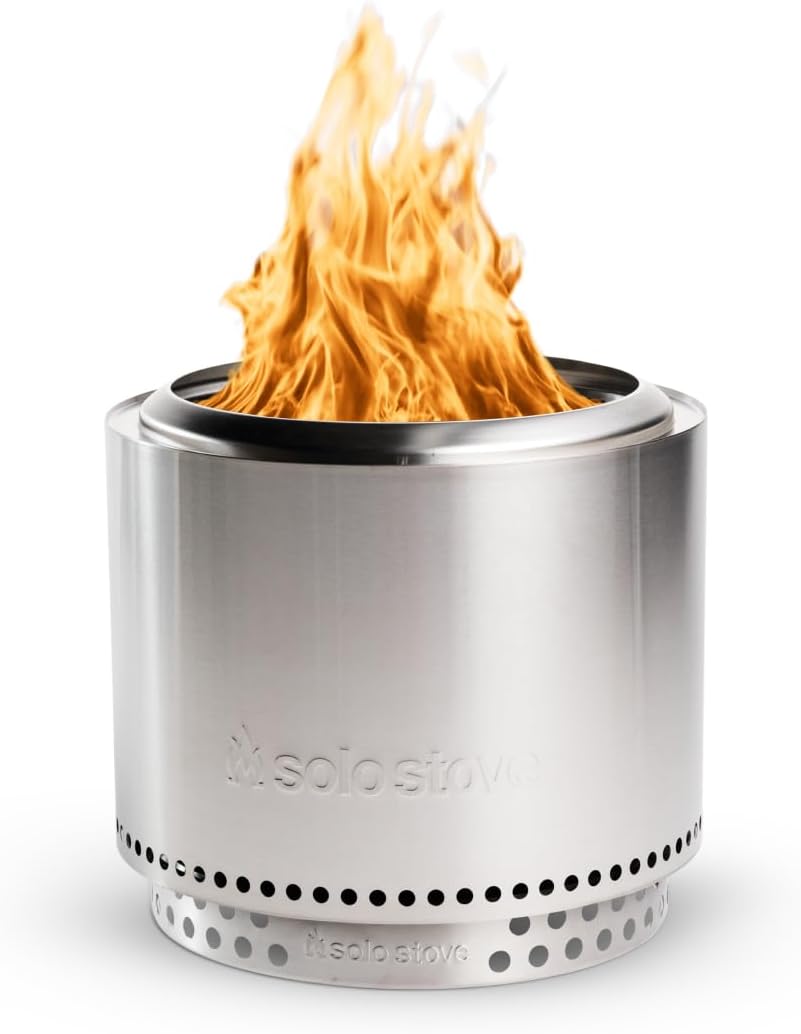
I'll admit it—I spent over a year debating whether the Solo Stove Bonfire was worth the investment. After countless evenings circling traditional fire pits like a smoke-chasing zombie, I finally pulled the trigger. Three months and dozens of fires later, I can confidently say this thing has earned its spot as my backyard MVP.
The Smokeless Promise Actually Delivers
Let me be clear: "smokeless" doesn't mean zero smoke from the first spark. You'll get some smoke during the initial 10-15 minutes while the fire builds momentum. But once those flames are roaring and the secondary burn kicks in, the difference is night and day. The smoke channels straight up through the double-walled design, leaving you free to actually enjoy the fire instead of playing musical chairs to avoid getting smoked out.
The real test? I wore the same t-shirt to bed that I'd been sitting by the fire in all evening. No campfire smell. My hair didn't reek. My jeans were wearable the next day without that lingering bonfire stench. For someone whose wife doesn't love the smell of burning wood, this was a legitimate game-changer.
Build Quality That Inspires Confidence
The 304 stainless steel construction feels substantial the moment you unbox it. Coming from cheaper knockoffs that rusted and flaked after one rainy season, the weight and thickness of the Solo Stove's metal is immediately noticeable. This isn't some flimsy backyard decoration—it's engineered to last years of regular use.
At 21.75 pounds, it strikes the perfect balance between portable and sturdy. I'm 4'10" and can move it around my deck without help. The included carrying case makes transport genuinely convenient for camping trips or beach outings.
Cleanup Is Embarrassingly Easy
The removable ash pan deserves its own standing ovation. After each burn, the wood reduces to fine ash—no leftover chunks, no charcoal debris. Pull the pan, dump the ash (responsibly—I toss mine in the shrubs), and you're done. The whole process takes maybe two minutes, and because there's minimal residue, storing it in the garage doesn't make everything smell like a campsite.
The Perfect Size for Real-World Use
The 19.5-inch diameter comfortably accommodates 4-6 people, which honestly feels like the sweet spot for most gatherings. Standard grocery store firewood bundles fit without issue, though you might need to break up longer logs. The compact footprint means it doesn't dominate your patio, and storage is straightforward.
I was initially worried it would be too small, but the efficient burn means you don't need as much wood to generate serious heat. In three hours, I burned roughly one-third the firewood compared to my old traditional pit.
Heat Output: Efficient but Different
Here's the honest truth: the heat radiates differently than a traditional fire pit. The design focuses heat upward rather than outward, which some might find less warming initially. Several users swear by adding the heat deflector accessory to redirect warmth toward people sitting around the fire. It's an additional expense, but if you're using this in cooler weather, it's apparently worth considering.
The flames themselves are mesmerizing—large, bright yellow flames that look exactly like the promotional photos. The airflow creates this almost hypnotic burn pattern that keeps people lingering longer than usual.
What to Know Before You Buy
Wood matters. My first attempt with big-box store pine created smoke throughout the entire burn. Switching to hardwood like oak made an enormous difference. Use the pine as kindling, let the hardwood take over, and you'll experience the true smokeless magic.
Surface protection is smart. This thing burns hot. I use a heat mat under mine on my Trex deck, and I've had zero issues. Some users reported residue on concrete surfaces after multiple burns, so consider your placement carefully.
Price point divides people. There's no sugarcoating it—this costs significantly more than knockoff alternatives. You're paying for premium materials, thoughtful engineering, and performance that actually matches the marketing claims. I view it as buying once rather than replacing cheaper options every season.
Who Should Get This?
The Solo Stove Bonfire is ideal for anyone who loves outdoor fires but hates smelling like a chimney afterward. It's perfect for suburban settings where smoke might bother neighbors, for people with respiratory sensitivities, or anyone who simply wants a more refined fire pit experience. Campers will appreciate the portability, and families with young kids benefit from the reduced smoke and contained design.
The Bottom Line
This fire pit turns ordinary evenings into memorable ones. People linger longer. Conversations flow easier. The ambiance it creates somehow makes everyone more present and engaged. Setup takes minutes, fires start easily with minimal kindling, and the whole experience feels elevated compared to traditional options.
Is it expensive? Yes. Does it occasionally require smaller wood pieces? Sure. Will you need 10-15 minutes of patience during startup? Absolutely. But if you value quality construction, genuinely reduced smoke, and a fire pit that performs season after season, the Solo Stove Bonfire earns its premium price tag.
After years of mediocre fire pit experiences, I finally understand what I was missing. This isn't just a fire pit—it's the difference between tolerating backyard fires and actually looking forward to them.
Final Thoughts: Finding Your Perfect Fire Pit
Choosing from the best fire pits doesn't have to be overwhelming. Whether you prioritize smokeless technology, portability for camping, or a reliable centerpiece for backyard gatherings, the right fire pit will transform your outdoor space into a cozy retreat.
Each of the best fire pits featured in this guide has been thoroughly tested for durability, efficiency, and real-world performance. Consider your space, fuel preferences, budget, and portability needs when making your decision. Don't forget about safety features, local regulations, and proper placement away from structures.
Investing in one of the best fire pits means creating a space where memories are made and cold evenings become warm celebrations. The right fire pit provides years of enjoyment and becomes the heart of countless gatherings.
Now that you have all the essential information and detailed reviews, you're ready to choose the best fire pit that matches your lifestyle perfectly. Your backyard bonfire nights await!
Questions about any of the fire pits reviewed? Drop a comment below—I'm here to help!
Leave a Reply