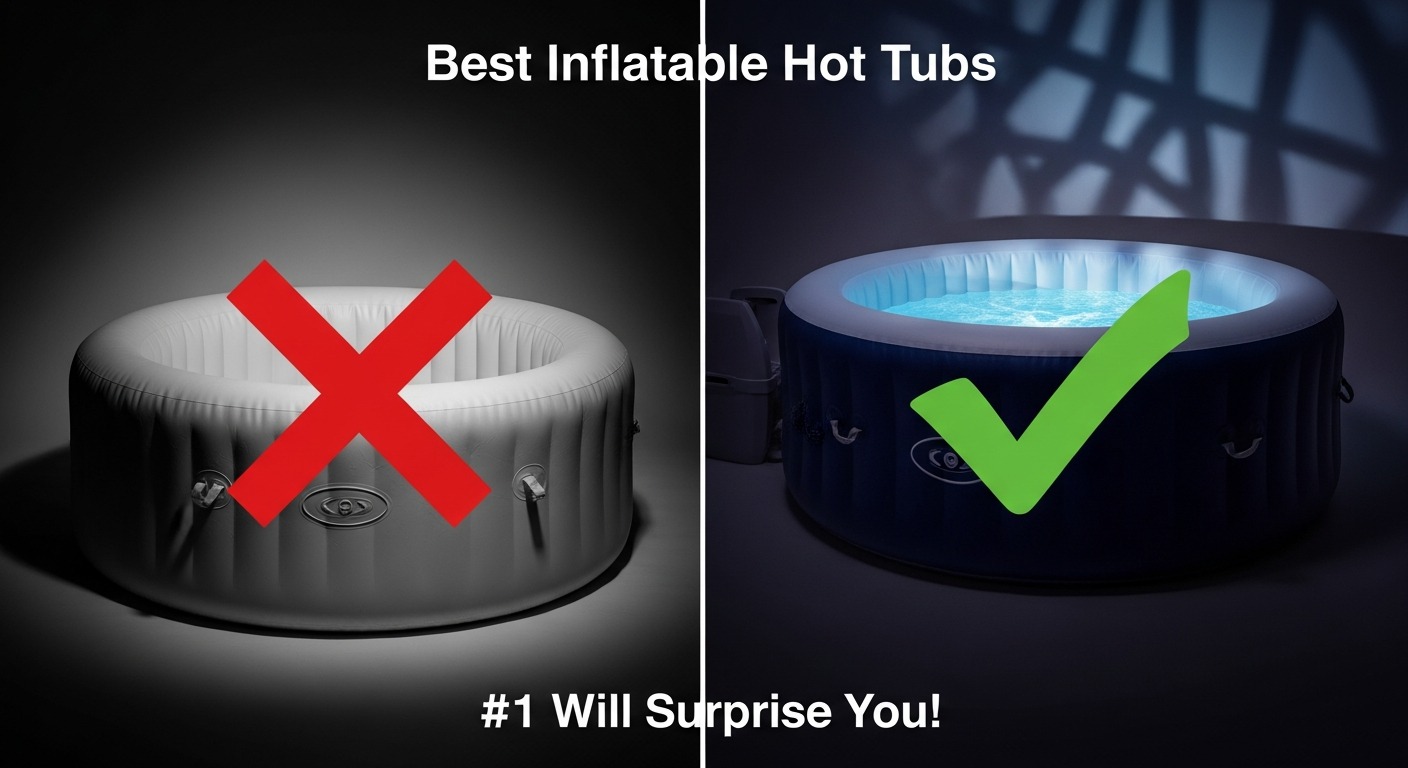
Imagine sinking into warm, bubbling water after a long day—a personal spa experience that’s just steps from your door, without the permanent commitment or staggering cost of a built-in tub. Welcome to the world of inflatable hot tubs: the ultimate blend of luxury, convenience, and value.
Finding the perfect model, however, can feel overwhelming. With countless options boasting various features, sizes, and price points, how do you know which one truly delivers on its promises? You need a guide that cuts through the marketing hype with real, hands-on insights.
You’ve found it. We’ve done the work for you. After meticulously selecting, testing, and reviewing the top contenders on the market, we’ve curated a definitive list of the best inflatable hot tubs available today. This isn't just a roundup; it's an unbiased, in-depth review based on performance, comfort, durability, and overall value.
In this comprehensive guide, we’ll not only reveal our top 5 picks but also walk you through everything you need to know with our detailed buying guide. Whether you’re seeking powerful jets for muscle relief, energy-efficient heating, or a spacious tub for socializing, we’ll help you find your perfect match. Let’s dive in and turn your backyard relaxation dream into a bubbling reality.
What to Consider Before Buying an Inflatable Hot Tub
Let me tell you, after two years of almost nightly soaks through summer sun and winter stars, I’ve learned what truly matters. Buying an inflatable hot tub isn't like buying a kitchen appliance. It becomes a part of your routine, your therapy, and your social life. Here’s the real-world advice I wish I’d had, straight from my own bubbly experience.
1. The "Where" is Non-Negotiable.
Before you even look at models, figure out exactly where it will live. This isn't just about a flat surface. You need:
- Absolute Level Ground: A 1-inch slope doesn't seem like much until you fill 300 gallons of water and realize you’re sitting in the deep end while your partner is high and dry.
- Proximity to Power & Water: These things need a dedicated outdoor GFCI outlet (no extension cords!). They also need a hose long enough to reach for filling and draining. Draining takes time and creates a small river—plan for where that water will go.
- All-Season Commitment: Are you taking it down in winter? If not, know that running it in freezing temps is possible but will hike your electric bill, as the heater fights to maintain temperature.
2. Capacity is a Lie (The Comfortable Truth).
The box says "fits 4-6 adults." In reality, if you put 4 full-sized adults in a 4-person tub, you’re going to be intimately acquainted. For comfortable soaking with room to stretch, subtract at least 1-2 people from the stated capacity. My "4-person" tub is perfect for two, cozy for three, and only fits four if we’re all very good friends who don’t mind tangled legs.
3. Heat Up Time & Operating Cost: The Patience Test.
This was my biggest shock. Filling with cold hose water, it can take 24-48 hours to reach a toasty 104°F (40°C), depending on the outside temperature and the heater's power (measured in BTU). Once it’s hot, you leave it on. The pump runs constantly to filter, and the heater kicks on periodically to maintain temp. I saw a noticeable, but acceptable, increase in my electricity bill. If you plan to heat it up only for weekend use, the wait and cost per soak feel much higher.
4. The Pump & Jet System: Bubbles vs. Therapy.
Manage your expectations. Most inflatable tubs have air jets, not water jets. They produce thousands of relaxing bubbles from the sides, not targeted hydrotherapy streams. Some high-end models have "massage systems" with more focused pressure. For me, the gentle rumble of the bubbles is the main event—it’s incredibly soothing. But if you need deep-tissue massage for a bad back, you might be disappointed.
5. The Insulation & Cover Are Everything.
A cheap, flimsy cover is a deal-breaker. Heat escapes rapidly from the water’s surface. A proper, hard-sided, insulated cover with safety locks is not an accessory; it’s essential. It retains heat (saving you money), keeps out debris, and is crucial for safety if you have kids or pets. A good cover pays for itself in energy savings within a season.
6. The "Set It and Forget It" Myth.
It’s low-maintenance, not no-maintenance. You must test and balance the water chemistry 2-3 times a week. You’ll need to buy test strips, chlorine or bromine (I prefer bromine for less smell), pH adjusters, and a small floating dispenser. Every 1-3 weeks, you’ll need to clean or replace the filter cartridges. Ignore this, and your crystal-clear oasis becomes a cloudy, smelly science experiment.
7. The Sound & The Vibe.
The pump and heater are not silent. It’s a constant, low hum. For me, it’s a white noise that enhances relaxation. But if your ideal soak is pure silence under the stars, know it’s there. Conversely, the sound of the bubbles when the jets are on completely drowns out the pump—it’s loud enough that you’ll have to raise your voice to chat.
My Bottom Line:
An inflatable hot tub has been worth every penny for my relaxation and mental health. But go in with eyes wide open. Prioritize a great cover, a reliable pump/heater combo, and realistic sizing. See it as buying a system (tub, cover, chemicals, maintenance kit) rather than just a product. If you’re willing to put in the modest upkeep, the reward—stepping into your own personal hot spring any night you please—is absolutely magical.
Top 5 Best Inflatable Hot Tubs in 2025
I’ve handpicked and reviewed some of the best inflatable hot tubs available right now. Before you dive into buying one, take a moment to read the full article—you’ll know exactly which model fits your needs perfectly.
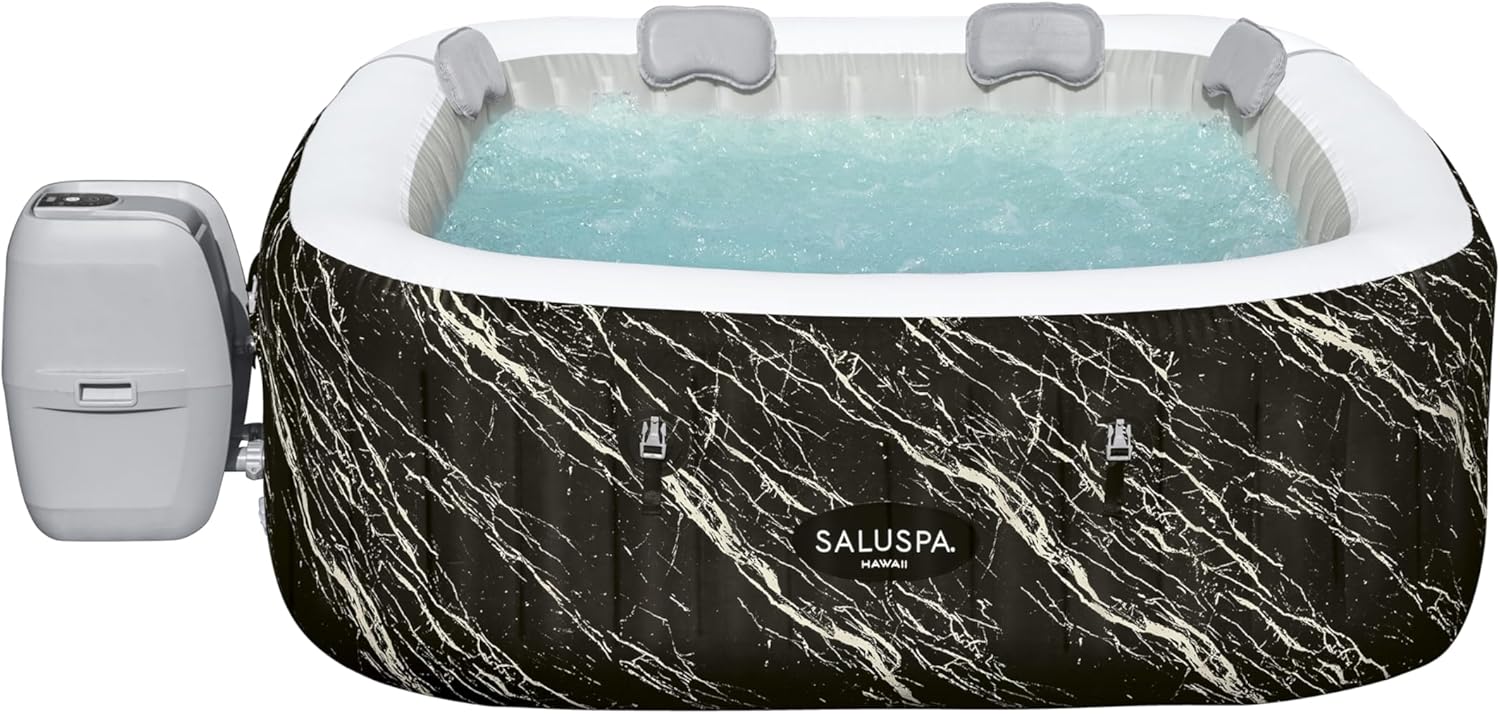
The Bestway SaluSpa Hawaii caught my attention because it promised something most inflatable spas don't deliver: actual hydro jets alongside the standard air bubbles. After spending time with this 71" square tub, I can confirm it's become my go-to remedy for muscle soreness and evening relaxation.
What Makes the Hawaii Stand Out
The eight hydro jets positioned in each corner deliver genuine therapeutic relief. Unlike air bubbles that merely tickle the surface, these jets circulate warm water with adjustable pressure that actually loosens tight muscles. I've dealt with chronic back tension for years, and the targeted massage these jets provide rivals what I've experienced in traditional spas costing thousands more.
The dual system gives you options: hydro jets for deep tissue work, or air bubbles for a gentler, full-body experience. The jets are noticeably quieter too, which matters during peaceful evening soaks under the stars.
Real-World Performance
Setup proved surprisingly straightforward. The integrated pump handles inflation, filtration, and the jet system—everything connects without tools. I had water flowing within 20 minutes using a standard garden hose. The initial heat-up took about 24 hours from cold tap water (around 50°F) to reach my preferred 102°F, with the system heating roughly 1.5-2 degrees per hour.
The DuraPlus material feels substantially more robust than typical PVC. You can actually sit on the rim without it buckling, and the square shape maximizes interior space. Placing puzzle-piece foam mats underneath adds cushioning and provides crucial insulation from cold concrete or ground surfaces—this simple addition noticeably improved heat retention.
App Control and Energy Efficiency
Managing the spa through the Bestway Smart Hub app adds genuine convenience. I typically start heating around 8 AM via my phone, and by evening, the water reaches perfect temperature. The EnergySense insulated cover lives up to its 40% efficiency claim—my monthly electric costs stayed around $40, even during cooler spring weather in Northern California.
One technical limitation: you can only run one function at a time on the 110V system. Heat, jets, or bubbles—pick one. The jets shut off the heater, but the water maintains temperature surprisingly well for 45-60 minutes. Since most sessions run 30-45 minutes anyway, this hasn't been a dealbreaker.
Maintenance Reality Check
Filter maintenance requires more attention than expected. Rinse them every few days and swap in fresh filters weekly to avoid error codes. I use 1" bromine tablets in the chemical dispenser and add non-chlorine shock after each session—the water stays crystal clear with minimal fuss. Plan for monthly water changes, and budget for a 12-pack of replacement filters when ordering.
Honest Size Assessment
The marketing claims 4-6 people, but realistically, two adults fit comfortably with room to stretch out. Add two small children and you're at capacity. My partner and I (both around 5'10") find the dimensions perfect for couples use. The depth lets you sink in with water reaching your neck, creating that true hot tub sensation.
Minor Drawbacks Worth Noting
The jets cool the water a couple degrees since they're pulling in ambient air, though it's barely noticeable during use. The heater and pump run continuously unless you manually shut them off—there's no automatic shutoff at target temperature, which takes some getting used to. Picture-based instructions could be clearer, though YouTube videos from SaluSpa fill in the gaps nicely.
Who Should Consider This?
This spa makes perfect sense for renters, people testing whether they'd actually use a hot tub regularly, or anyone wanting therapeutic benefits without the $3,000-$10,000 investment of traditional models. It's ideal for small backyards, patios, or even indoor sunroom setups.
The Hawaii delivers legitimate muscle relief and stress reduction at roughly one-fifth the cost of permanent installations. After weeks of nightly use, I've abandoned plans to upgrade to a fiberglass spa—this inflatable does everything I need. Just be realistic about capacity, commit to regular filter maintenance, and don't expect it to outlast a traditional hot tub. For the value delivered, those tradeoffs feel entirely reasonable.
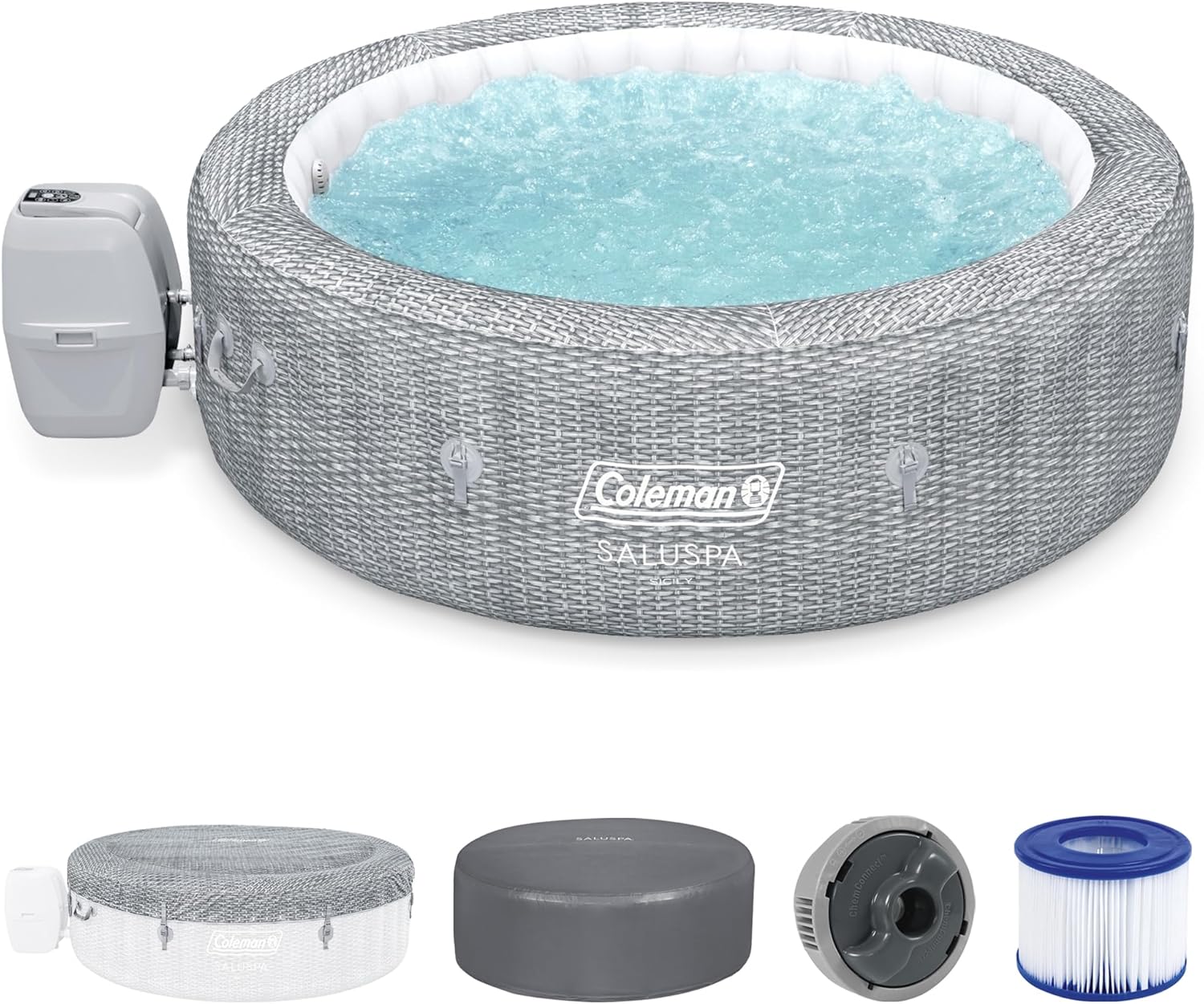
The Coleman Sicily caught my attention because of its generous 85" x 85" dimensions, and after several months of regular use, I can confirm it lives up to its billing as one of the roomiest inflatable spas available. Four adults fit genuinely comfortably without playing Twister, and I've squeezed in five when friends visit. My husband stretches out completely at 5'10", with water reaching his neck when seated on the floor.
Build Quality Beyond Expectations
The DuraPlus material feels substantially more robust than standard PVC—thick, rigid walls that don't buckle when you sit on the edge to cool off. I'm over 200 pounds and can perch on the rim without it sinking noticeably. Our cats regularly lounge on both the tub sides and the cover, claws and all, without causing any punctures. That kind of durability wasn't something I anticipated from an "inflatable" product.
The integrated pump system handles inflation, heating, filtration, and bubble control through one compact unit. Setup took roughly an hour working solo, though I'll admit the picture-only instructions sent me straight to YouTube for clarity. Once you've watched a quick setup video, assembly becomes straightforward—no tools required, just patience during the initial fill and heat-up period.
Temperature Performance and Realities
Initial heating from cold tap water to 104°F takes 24-36 hours, heating at roughly 1.5-2 degrees per hour. That's the reality of working with standard 110V power. My routine involves turning on the heater each morning via the smartphone app, and by evening the water hits my preferred 99-102°F range. The EnergySense insulated cover genuinely helps—we maintained usable temperatures even during Minnesota spring weather with overnight lows in the 50s.
The bubbles create a legitimate massage effect around the perimeter, particularly therapeutic for lower back tension and sore muscles. They're strong enough to move water around like a traditional hot tub, though they do pull in ambient air which gradually cools the water. Expect temperatures to drop 3-5 degrees during a 30-45 minute session with bubbles running. Not a dealbreaker for most soaks, but worth understanding upfront.
Smart Features That Actually Work
The Bestway Smart Hub app connects reliably and lets you control temperature settings, schedule filter cycles, and activate bubbles remotely. I appreciate starting the heating process from bed before my morning coffee, though I've learned the hard truth: you can't run heat simultaneously with bubbles on 110V power. Pick your priority—toasty water or massage bubbles—but not both at once.
The timer function helps manage energy costs, which ran about $50-60 monthly during regular use in moderate climates. Keeping the heater running 24/7 maintains temperature more efficiently than constantly reheating from scratch.
Maintenance: The Unglamorous Truth
Filter maintenance demands more attention than I initially expected. Clean or replace filters weekly at minimum, possibly every few days during heavy use. The tub throws an E02 error code when filters get clogged, shutting down the heater until you address it. Stock up on replacement filters immediately—I recommend grabbing a 12-pack when ordering, along with a degreaser or specialized spa cartridge cleaner.
Water chemistry requires consistent monitoring. You'll need bromine or chlorine (just a tablespoon for this 314-gallon capacity), pH adjusters, test strips, and a chemical floater. Monthly water changes keep everything fresh and clear. The learning curve isn't steep if you've maintained pools before, but complete beginners should budget time for research or a quick consultation at a local pool supply store.
Accessories Worth Considering
Foam workout tiles underneath the tub provide insulation from cold concrete and add cushioning—a game-changer for comfort. The inflatable cover works adequately but benefits from additional insulation in colder months; some users layer quilts or upgrade to rigid covers. A floating LED light, Bluetooth speaker, and cup holders transform the space into a genuine backyard retreat. Budget an extra $200-400 for accessories that maximize enjoyment.
Size Considerations and Honest Capacity
The "5-7 person" claim deserves context. Four adults sit comfortably with room to stretch. Five works if everyone's friendly. Seven would require small children and zero personal space. For couples or small families, the generous dimensions mean you're not constantly bumping elbows—a significant upgrade over compact models.
Who Benefits Most
This spa makes perfect sense for anyone wanting hot tub benefits without the $3,000-10,000 investment and permanent installation. Renters, vacation home owners, or people testing whether they'll actually use a hot tub find tremendous value here. It's particularly ideal for therapeutic use—chronic pain, arthritis, post-workout recovery—where the heat and bubbles provide genuine relief.
The Coleman Sicily proves you don't need a traditional fiberglass spa to get legitimate relaxation and muscle therapy. Just approach it with realistic expectations about heating times, temperature maintenance, and filter upkeep. Three months in, we've used it almost daily and have zero regrets about choosing this over a permanent installation.
#3 INTEX 28431EP PureSpa Plus Inflatable Spa Set
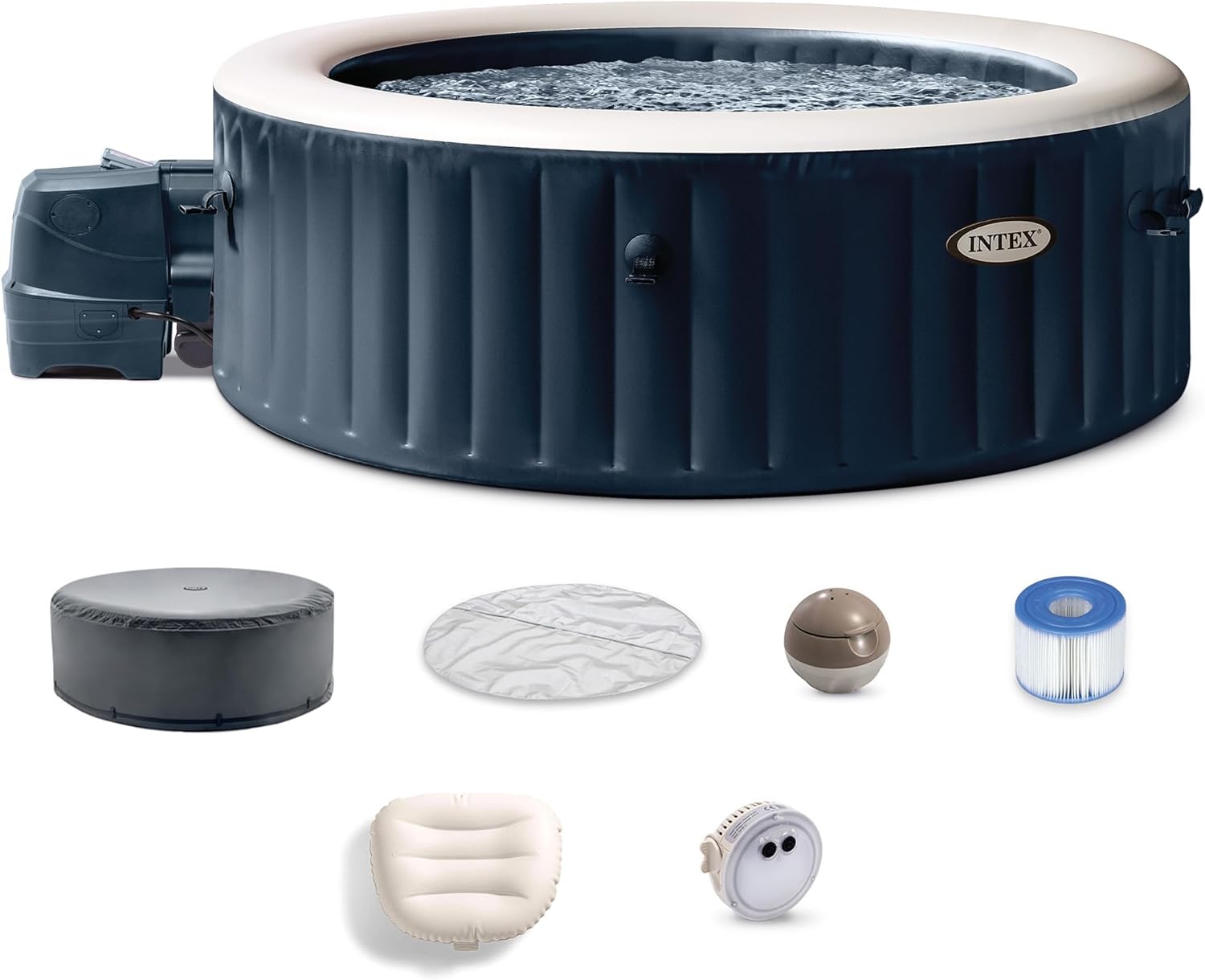
The decision between a budget-friendly inflatable spa and a permanent hot tub installation kept me stuck in analysis paralysis. Eventually, I took the plunge with the Intex PureSpa Plus 85-inch model, and it's proven to be one of those purchases that actually delivers on its promises—becoming a genuine fixture of my back patio relaxation routine.
Setup: Easier Than Expected
Getting this spa up and running proved remarkably straightforward. The entire process took roughly an hour with minimal head-scratching. The included pump handles all the inflation—the tub itself, the bottom mat, even the thermal cover's bladder. Everything you need comes in the box: headrests, a floating chlorine dispenser, an LED light, and that crucial insulated cover with locking clips.
One crucial tip from experience: install those O-rings on the pump fittings during setup. They're tucked away in a small bag that's easy to miss, and skipping this step means dealing with leaks later.
Heating Performance: Plan Ahead
Here's where patience becomes essential. Filling with cold well water (around 55-60°F), expect a solid 24 hours to reach 104°F on the first heat-up. The 120-volt heater won't win any speed records, but it maintains temperature beautifully once established. Set your target temp about 12 hours before you plan to soak, and you'll step into perfectly heated water.
Temperature does drop during use—figure on losing 2-3 degrees over an hour-long session, faster if running the bubbles constantly. The solution? Start a few degrees higher than your comfort zone.
The Bubble Experience
Forget any preconceptions about weak inflatable spa bubbles. The ring of air jets around the perimeter delivers genuinely therapeutic massage. They're powerful enough to shift your position in the water and provide legitimate relief for sore backs and tired muscles. This isn't just atmospheric—it's functional.
The trade-off? These bubbles run at full blast or not at all. No adjustment means they're somewhat loud, making conversation challenging. They also accelerate heat loss when the cover's off.
Build Quality and Durability
The Fiber-Tech construction feels surprisingly robust when inflated. You can actually sit on the side without concern. The material has held up remarkably well—I'm entering my second winter with zero leak issues so far. Several users report 2-3 years of regular use, with some pushing beyond that.
The included ground mat adds cushioning underneath, creating a comfortable sitting surface even without built-in seats. That lack of molded seating actually becomes an advantage—you can float, stretch out, or find your own comfortable position rather than being locked into fixed spots.
The Cover Situation
The dual-cover system works brilliantly for heat retention. The inflatable inner disc sits on the water's surface, while the heavy-duty thermal cover extends down the sides, reportedly improving energy efficiency by 50%. Together, they maintain 104°F even on 50-degree nights.
Fair warning: that heavy outer cover demands muscle. Getting it properly seated requires pulling it down in increments, often circling the tub twice. Two people make this significantly easier. After 15 months of use, mine developed a small tear from this repeated tugging, though it remains functional.
Realistic Capacity
The "6-person" label stretches reality. Four adults fit comfortably with everyone's legs crossed. Six would require very close friends or family members who don't mind getting cozy. For couples, the 85-inch diameter provides ample room to stretch out completely.
Maintenance Reality Check
Get those chemicals balanced immediately—I learned this the hard way. The spa includes test strips and a floating chlorine holder, but you'll need to purchase 1-inch chlorine tablets separately. Clean the filters weekly by hosing them down; dirty filters trigger the E90 error code that shuts down heating and filtration.
Expect to replace filter cartridges monthly and drain/refill the tub every 2-3 months depending on usage frequency. These consumables remain inexpensive, keeping ongoing costs reasonable.
Climate Considerations
Living in Texas, I can run this nearly year-round. Users in Maine report three-season functionality—winter proves too much for the modest heater. The included hard water treatment system makes a noticeable difference on skin and extends component life, particularly valuable if you're on well water.
The Verdict
This spa functions as an excellent entry point into hot tub ownership. At roughly $700-900, it delivers authentic relaxation without the multi-thousand-dollar commitment of permanent installation. The built-in freeze protection (auto-activating below 39°F) and energy-efficient design keep operating costs manageable—figure around $20-50 monthly depending on usage and local electricity rates.
Perfect for testing whether you'll actually use a hot tub before investing in the real thing, though many users (myself included) discover this inflatable version meets their needs completely. The combination of solid construction, effective bubbles, and reasonable maintenance makes it ideal for anyone prioritizing flexibility and affordability over luxury features.
Just remember: this requires flat, stable ground and dedicated space. Several users recommend building a deck around it, which transforms the experience from "portable hot tub" to "backyard centerpiece." Put some thought into placement—you'll likely keep it there longer than expected.
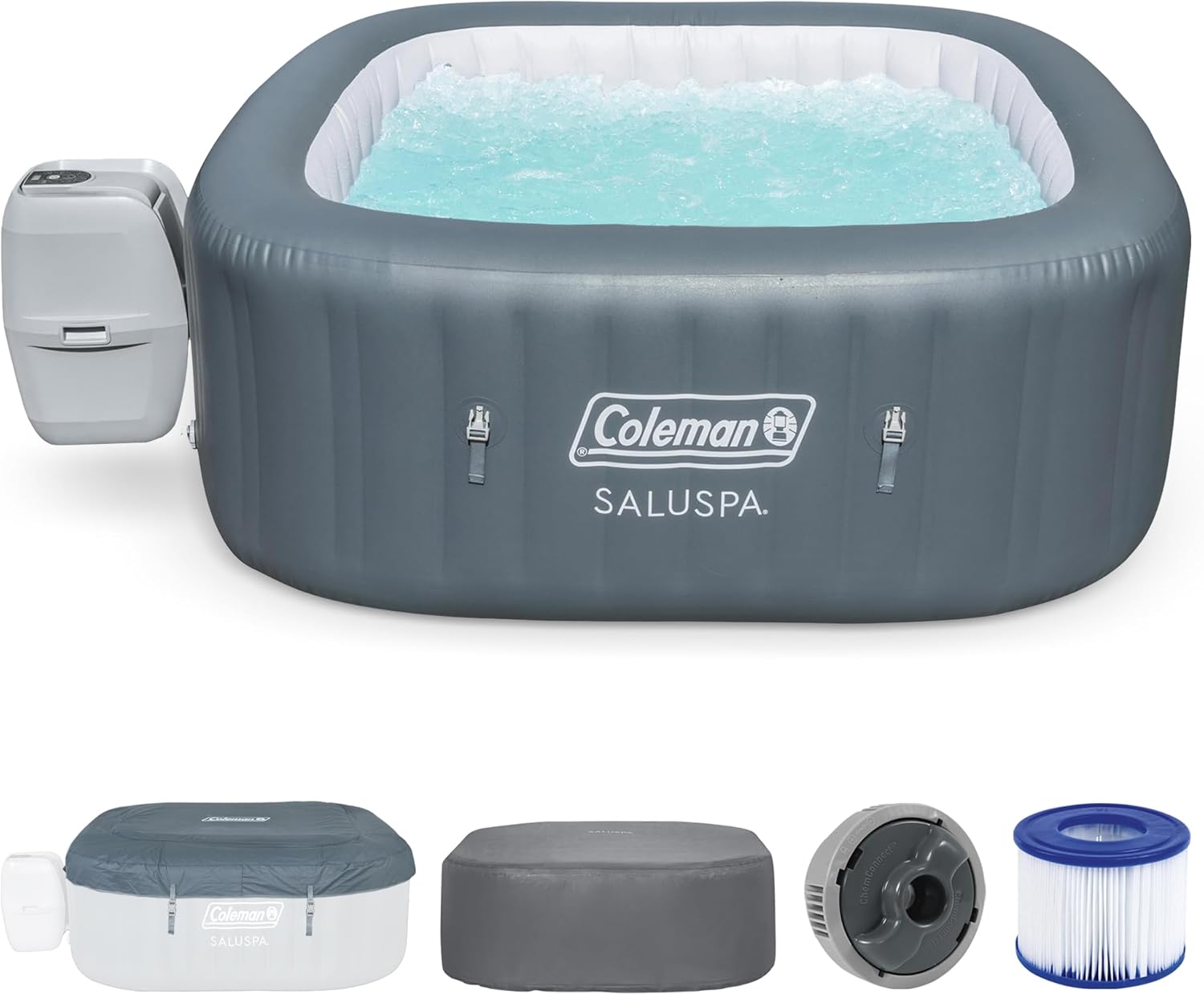
The gap between wanting a hot tub and justifying an $8,000+ investment kept me circling back to inflatable options. The Coleman SaluSpa Hawaii caught my attention specifically for its square design and upgraded DuraPlus construction. After using it extensively, this spa has proven itself as far more than a temporary placeholder—it's a legitimate hot tub experience at a fraction of traditional costs.
Square Design Advantage
The 71" x 71" square footprint immediately distinguishes this from round competitors. That geometry translates to genuine stretch-out room. At 5'10", I can fully extend my legs to the opposite corner while someone sits perpendicular without feeling cramped. Round tubs force everyone into a circular arrangement; the square layout maximizes usable space and creates natural corner seating positions.
Realistically, this accommodates two adults comfortably or three if everyone's okay with bent knees. The advertised 4-6 capacity only works with children or extremely friendly adults willing to overlap legs.
Construction That Surprises
The DuraPlus three-layer material feels fundamentally different from standard vinyl inflatables. It's thick, almost rubbery to the touch, with a texture resembling leatherette. You can confidently sit on the rim without any give—it holds firm under anyone under 200 pounds. This rigidity makes entry and exit considerably easier than flimsy-walled alternatives.
The material's 33% puncture resistance and 56% stretch resistance aren't just marketing numbers. One user reported their unit surviving Hurricane Milton with 110 mph gusts, emerging unscathed while surrounding structures suffered damage. That's exceptional durability for an inflatable product.
Heat Performance: Plan Your Timeline
Initial heating from cold tap water demands patience—expect 24 hours to reach 104°F. Once established, the system maintains temperature reasonably well with the EnergySense cover in place. The dual-cover system (inflatable inner disc plus heavy-duty outer wrap) provides solid insulation, keeping overnight heat loss to around 20 degrees in 60°F weather.
During use, temperature drops become noticeable. Running bubbles accelerates cooling, and uncovered soaking sessions lose 4-6 degrees over 30-45 minutes in cool conditions. The smaller 120-volt heater can't compete with heat loss when ambient temperatures dip and the cover's off. Set your target temperature 3-4 degrees higher than desired to compensate.
The Bubble System Reality
These aren't jets—they're air bubbles emerging from 140 holes along the bottom perimeter. The distinction matters. Traditional jets provide targeted pressure; bubbles create overall water movement and a softer massage effect. The dual-intensity setting offers flexibility, though even the lower setting produces substantial turbulence.
The bubble strength genuinely surprised me. They're forceful enough to lift and shift your position, creating legitimate therapeutic benefit for sore muscles. Just manage expectations—this delivers relaxation and gentle massage, not deep-tissue intensity.
Longevity: The Four-Year Benchmark
Multiple users report 3-4 years of regular seasonal use before needing replacement. One reviewer purchased their second unit after four years, specifically choosing the same model over competitors. Another runs theirs continuously since 2022 without mechanical issues. These timeframes suggest solid value at the $500-700 price point.
The main pump and heating unit prove reliable. Most problems trace to dirty filters triggering error codes (particularly E90), resolved by cleaning or replacement. The filtration system requires weekly attention—filters clog quickly with body oils, sunscreen, and hair products. Showering before use dramatically extends filter life and water clarity.
Maintenance and Operating Costs
Budget approximately $100-150 monthly in electricity for continuous heating during moderate weather (May-October in Ohio). Colder months push costs higher. The timer function helps manage expenses, though the interface lacks intuitive scheduling options. Running it only during planned use windows significantly reduces bills.
Water chemistry mirrors basic pool maintenance. Use 1" bromine or chlorine tablets in the included floater, test strips weekly, and occasional shock treatment keeps water clear. Complete water changes every 2-3 months maintain freshness. The included chemical floater works adequately, though aftermarket options offer improvements.
Setup: Watch the Videos
The instruction manual earns universal criticism for vague, poorly translated content. Ignore it completely. YouTube tutorials provide clear guidance and reveal setup quirks the manual omits. The pump handles both inflation and water heating/filtration, with inflation completing in roughly 5 minutes. Total setup from box to filled takes 60-90 minutes solo.
Place protective matting underneath—interlocking foam tiles or rubber gym flooring work excellently. The included ground protection proves inadequate. This also adds bottom cushioning, making the floor more comfortable since there's no built-in seating.
Cold Weather Limitations
The Freeze Shield system protects components down to 39°F, but practical usage tops out around 50°F ambient temperature. Below that, the heater struggles maintaining target temperature, especially with the cover removed. Three-season use (spring through fall) represents realistic expectations for most climates. Some users successfully run these in enclosed spaces like basements or garages during winter, dramatically extending usability.
The EnergySense Cover: Worth the Upgrade
The energy-efficient model includes a heavy-duty wrap-around cover meeting California's Title 20 efficiency standards. This isn't just regulatory compliance—it genuinely improves heat retention and reduces operating costs. The cover extends fully to the ground, creating superior insulation compared to basic float covers. Getting it on and off requires some wrestling, but the energy savings justify the effort.
WiFi App Control
The smartphone app adds convenient remote monitoring and temperature adjustment. Once configured properly (initial setup can frustrate), it eliminates trips outside to check status or make changes. The 72-hour automatic shutoff still requires manual reactivation, but the app makes this less inconvenient.
Who Benefits Most
This spa excels as a commitment tester—try hot tubbing before sinking thousands into permanent installation. Many users intending to "upgrade later" discover this meets their needs completely and never bother replacing it.
Perfect for renters who can't install permanent fixtures, seasonal users who want three-season relaxation without year-round hassle, or anyone prioritizing portability and flexibility. The square footprint makes it ideal for couples who value stretch-out room over accommodating groups.
Final Assessment
The Coleman SaluSpa Hawaii occupies the sweet spot between cheap inflatables and permanent installations. Its combination of durable construction, genuine therapeutic bubbles, and practical square design delivers authentic hot tub experiences at budget-friendly pricing. The three-to-four-year lifespan and manageable operating costs make it exceptional value for anyone testing the hot tub lifestyle or seeking affordable relaxation without permanent commitment.
Just remember: this rewards realistic expectations and proper maintenance. Treat it like the substantial investment it represents rather than a disposable pool toy, and it'll provide years of reliable service.
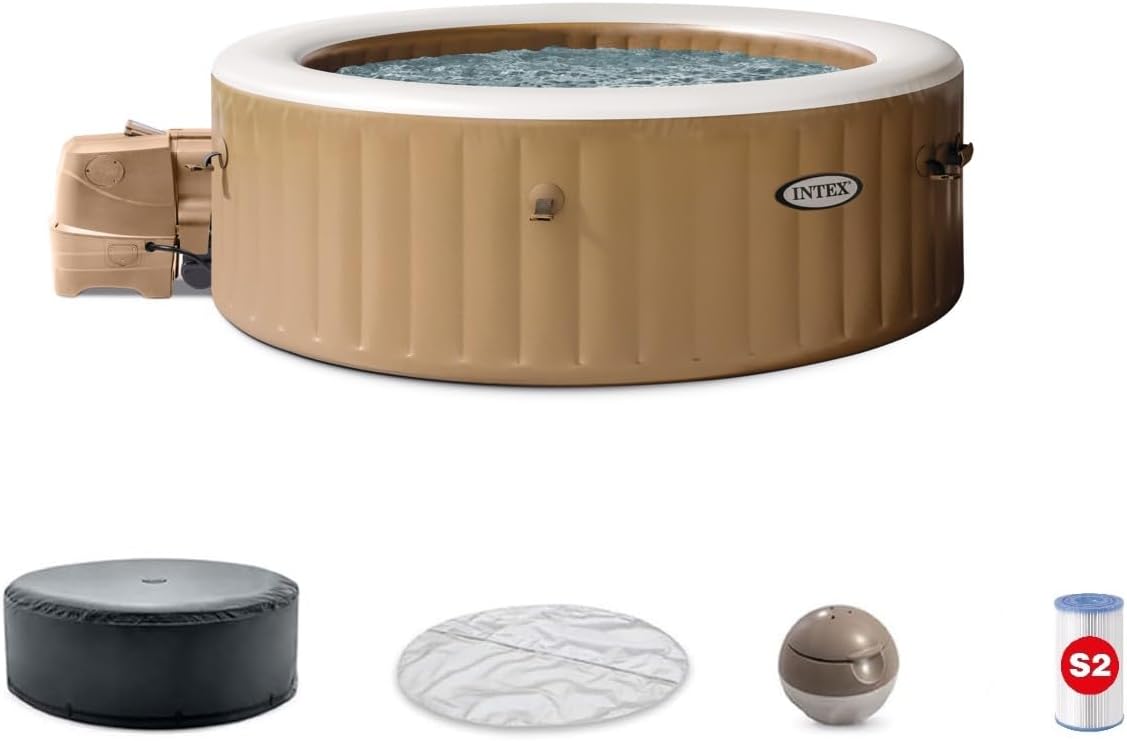
I’ll be honest—I was skeptical. The idea of a “real” hot tub experience from an inflatable product seemed too good to be true. But after a year of almost daily soaks, I’m a total convert. This isn’t a flimsy pool toy; it’s a sturdy, relaxing haven that’s been worth every penny.
Surprising Sturdiness and Ease
Setting it up was far easier than I anticipated. I had it inflated, filled, and running in under an hour. The Fiber-Tech construction is the real deal. You can sit on the firm sides without them buckling, and it feels substantial. I placed mine on a simple foam mat from the hardware store for extra insulation and puncture protection—a cheap upgrade I’d recommend.
The Perfect After-Work Escape
The heat retention is solid. Once it reaches my preferred 104°F, it holds temperature well, especially with the included energy-efficient cover clipped on. Yes, running the powerful bubble jets will cause a gradual temperature drop (about 1-2 degrees every 20 minutes), but that’s physics. I’ve found my sweet spot: I heat it up a few degrees higher before I get in, and by the time I’m ready to get out an hour later, it’s still perfectly warm.
Don’t expect targeted jet pressure. Instead, you get a wall of massaging bubbles rising from the entire floor. It’s surprisingly therapeutic for sore muscles and creates a wonderfully immersive, spa-like sound. It is loud inside the tub, so conversation takes a backseat to relaxation.
Real-World Use and Tips
- Capacity is Cozy: The “6-person” label is optimistic. For four adults, you’ll be close. For two, it’s absolutely perfect with plenty of room to stretch out.
- Chemistry is Key: Maintenance is simple, but don’t wait. Have your test strips and sanitizer (I use chlorine tablets in the provided floater) ready before you fill it the first time. The built-in hard water system seems to help, and I just rinse the filters every couple of weeks.
- The Cover is a Mixed Bag: The thermal cover does an excellent job retaining heat, but it is bulky. I can manage it alone, but if you have mobility concerns, it can be awkward.
The Honest Bottom Line
This hot tub delivers incredible value. It’s not a $10,000 in-ground spa, and it doesn’t pretend to be. For a fraction of the cost, I get 90% of the relaxation benefit. I use it year-round, and it’s become a non-negotiable part of my self-care routine.
Who It’s Perfect For:
- Renters or anyone who doesn’t want a permanent installation.
- First-time hot tub buyers wanting to test the waters without a huge investment.
- Anyone with achy muscles or high stress looking for a consistent, affordable way to unwind at home.
While some reviews mention long-term durability concerns with the pump, my experience has been flawless. For the price, even a few years of service feels like a win. If you’re on the fence, take the leap. It’s the best “impulse” buy I’ve ever made for my home and my well-being.
Conclusion: Your Perfect Bubbling Retreat Awaits
Choosing the best inflatable hot tub is about more than just a purchase—it’s an investment in relaxation, wellness, and creating cherished moments at home. As we’ve explored in our hands-on reviews and detailed buying guide, today’s inflatable spas offer an impressive combination of therapeutic features, durable construction, and remarkable convenience that rivals permanent installations.
From compact models ideal for intimate evenings to spacious hubs built for entertaining, the right tub can transform your patio, deck, or backyard into a personal sanctuary. Remember to prioritize what matters most to you: whether it’s the intensity of the jets, the efficiency of the heating system, the simplicity of setup, or the robustness of the materials.
Our top 5 picks represent the cream of the crop, each excelling in different areas to suit varied needs and budgets. Armed with the insights from this guide, you’re now equipped to make a confident, informed decision.
So, take the plunge. Your journey toward effortless relaxation and countless starlit soaks begins now. Unbox, inflate, fill up, and let the warm, swirling waters wash away the day’s stress. Your perfect bubbling retreat is ready whenever you are.
Leave a Reply