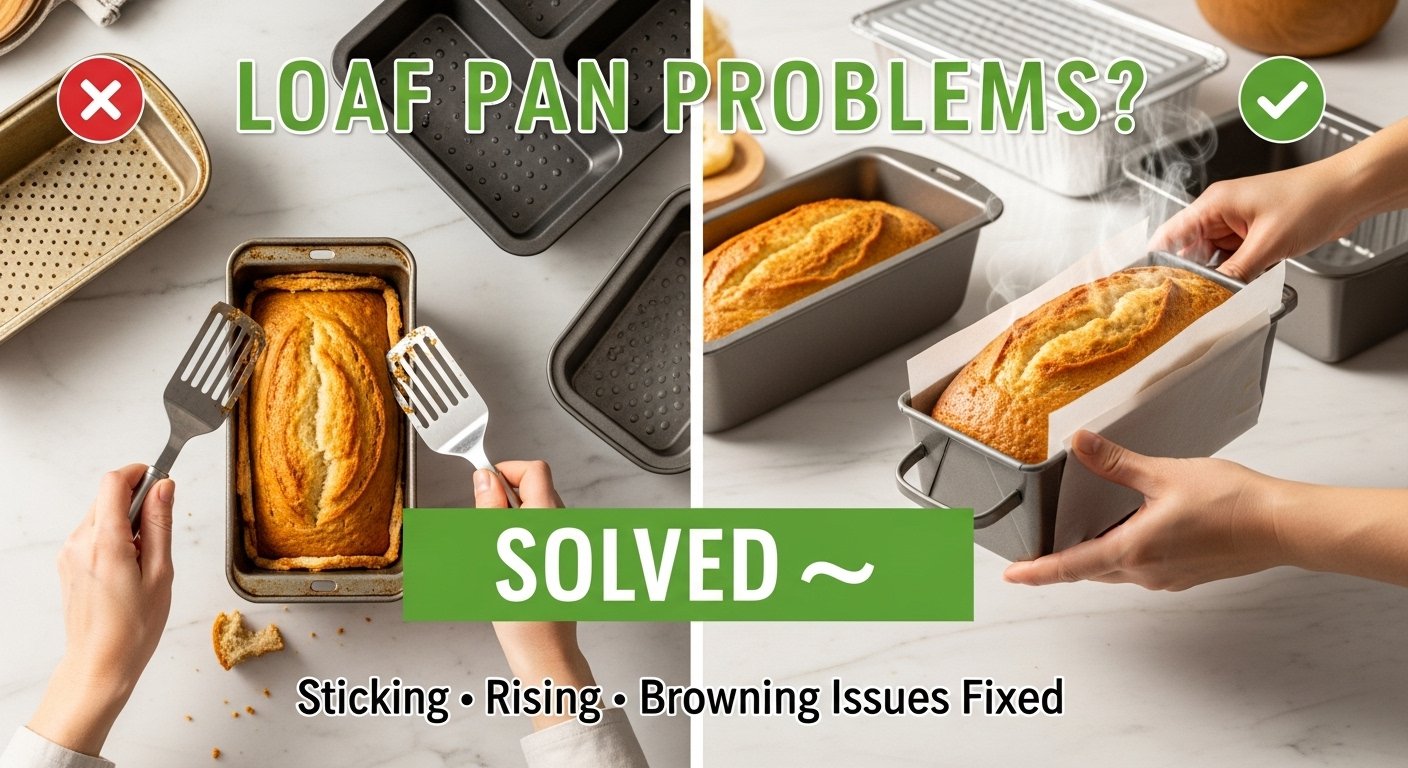
You know that sinking feeling when you pull a perfectly golden loaf from the oven, only to have half of it glued stubbornly to the pan? Or when your banana bread emerges pale and sad on top but burnt on the bottom? I've been there more times than I'd like to admit. After years of baking everything from sandwich bread to pound cakes in various loaf pans, I've learned that the pan itself is often the culprit behind our baking disasters.
Let me walk you through the most common loaf pan problems I've encountered—and more importantly, how I finally figured out how to fix them. Because once you understand what's actually happening in that rectangular metal box, baking becomes so much less frustrating.
The Mystery of Perforations: Why Does My Loaf Pan Have Holes?
The first time I bought a loaf pan with holes in the bottom, I honestly thought it was defective. I mean, wouldn't the batter leak through? Turns out, I had stumbled onto a perforated pan, and those tiny holes are completely intentional.
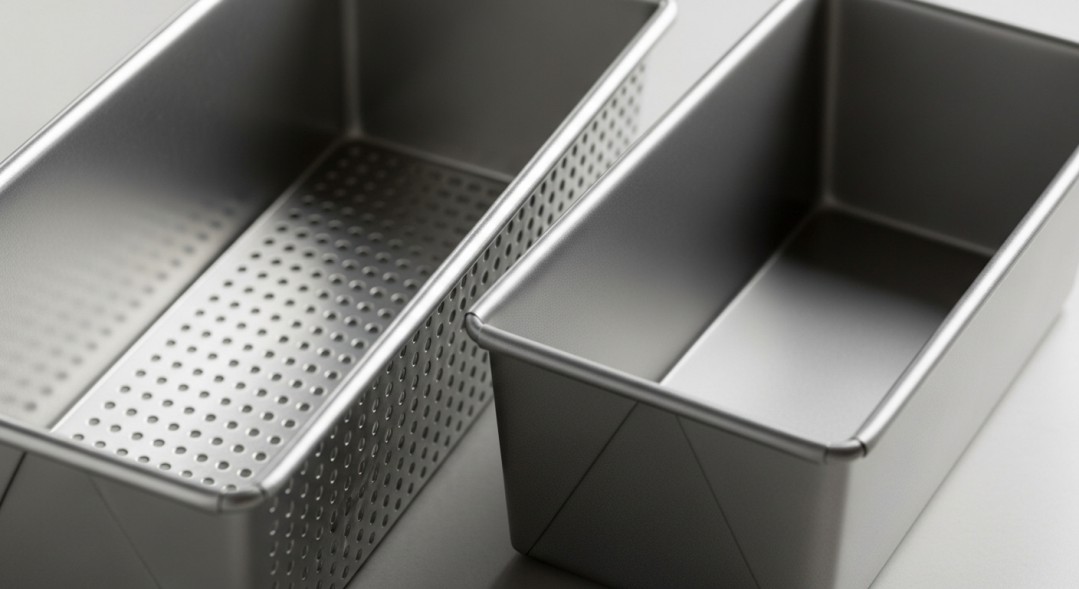
Perforated loaf pans are designed with small holes across the bottom and sometimes the sides to allow hot air to circulate directly around your bread or cake. This creates a crisper crust and more even browning. I noticed this especially when making artisan-style breads—the crust had this beautiful, almost bakery-quality texture that I could never achieve with my solid pans.
That said, perforated pans aren't perfect for everything. They work wonderfully for yeast breads and crusty loaves, but I learned the hard way that they're terrible for wet batters. My first attempt at banana bread in a perforated pan resulted in batter seeping through onto my oven floor. Not my finest moment.
For cakes, quick breads, and anything with a loose batter, stick with solid pans. Save the perforated ones for sandwich loaves, French bread, and other yeast-based recipes where you want that professional crust. I now keep both types in my cupboard and choose based on what I'm making.
Solving the Problem of Bread Sticking to Loaf Pan
Let's talk about the issue that's probably brought you here: bread sticking to loaf pan surfaces like they've been superglued. This was hands-down my biggest frustration when I first started baking. I'd grease the pan, follow the recipe exactly, and still end up chiseling out chunks of bread like an archaeologist at a dig site.
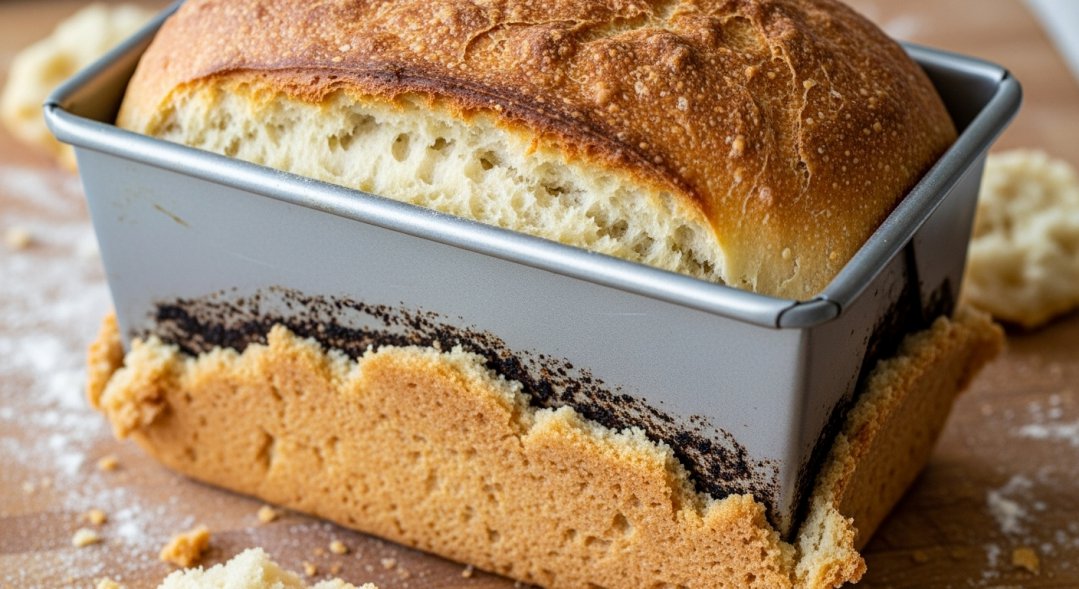
The sticking happens because of the Maillard reaction—that's the chemical process that browns your bread and makes it taste amazing. Unfortunately, it also creates a bond between your baked goods and the pan, especially in those corners and along the edges where heat concentrates.
Here's what I've learned about why sticking happens: pan material matters enormously. My cheap aluminum pan from the grocery store? Terrible for sticking. My ceramic-coated pan? Much better, but still not perfect. Glass pans conduct heat differently and seem to grip onto bread more aggressively than metal. And don't even get me started on those vintage pans with worn-out coatings—they're practically stick-traps
How to Keep Bread from Sticking: Proven Methods
After countless sticky disasters, I've developed a foolproof system. The key is being more generous with your pan prep than you think necessary. When a recipe says "grease the pan," most of us do a quick swipe with butter or spray. That's not enough.
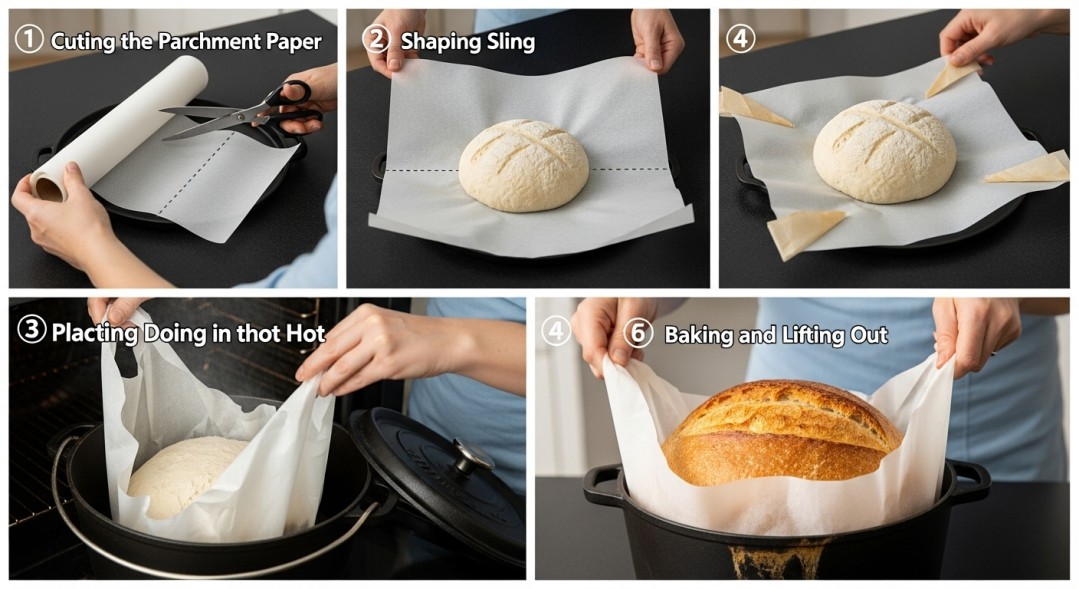
My go-to method now is what I call the "triple threat": I use softened butter (not melted—this is important) and really work it into every corner and crevice with a pastry brush or paper towel. Then I dust the entire inside with flour, tapping out the excess. For particularly sticky recipes like chocolate cake or anything with a lot of sugar, I add a third layer of protection: a parchment paper sling.
The parchment sling changed my baking life. I cut a strip of parchment paper that's wide enough to cover the bottom and come up both long sides of the pan, with a couple inches of overhang. This creates handles that let me lift the entire loaf out once it's cooled. I still grease the pan first (the parchment needs something to stick to), but this method has given me a 100% success rate.
Timing matters too. I used to try removing bread from the pan immediately because I was impatient. Big mistake. Now I let it cool in the pan for exactly 10 minutes—I set a timer. This gives the structure time to set but doesn't let the bread steam itself into a soggy mess. After 10 minutes, I run a butter knife around the edges (even if I used a sling) and turn it out onto a cooling rack.
Troubleshooting Loaf Pan Cake Rising Issues
Few things are more deflating than loaf pan cake rising issues—literally. I once made a lemon poppy seed cake for a brunch, and it came out with a crater in the middle that looked like a volcanic caldera. My guests were polite, but I wanted to hide under the table.
The problem with loaf pans is that they're deeper and narrower than regular cake pans, which changes how heat penetrates the batter. The outside sets and browns while the center is still raw and rising. Then when you pull it from the oven, the undercooked center collapses. I've had this happen with pound cakes, coffee cakes, and quick breads.
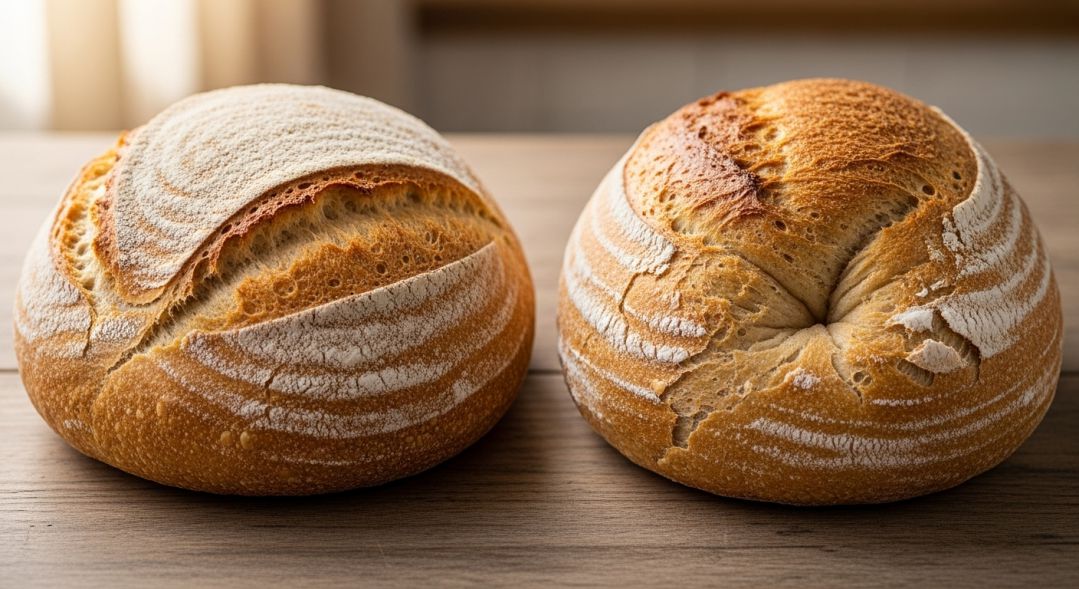
Pan size is critical here. Most recipes are developed for standard 9x5-inch or 8x5-inch loaf pans, but I've collected pans over the years in all sorts of odd dimensions. When I use a pan that's too small, the batter has nowhere to go but up, and it often overflows or develops that peaked, cracked top. Too large, and the cake spreads out flat and never develops proper height.
I learned to actually measure my pans (inside dimensions, not the outside) and adjust recipes accordingly. A good rule of thumb: fill the pan only two-thirds full. If you have extra batter, make muffins rather than risk overflow.
Temperature is another culprit. My oven runs about 25 degrees hot—something I discovered with an oven thermometer after many baking failures. Even a small temperature variation can cause rising problems. Too hot, and the outside sets before the center rises. Too cool, and the batter doesn't have enough lift.
Ingredient temperature matters more than I ever realized. Cold eggs straight from the fridge can prevent proper rising because they don't incorporate air as well as room-temperature eggs. Now I pull my eggs and butter out about an hour before I bake. It seems fussy, but it genuinely works.
Overmixing is my personal nemesis. I'm the type who wants to make sure everything's perfectly combined, but with cake batters, that's exactly wrong. When you overmix, you develop too much gluten, which makes the cake tough and can interfere with rising. I now mix just until I don't see dry flour—even if there are a few small lumps—and my cakes have been much better.
Testing for doneness in a deep loaf pan requires patience. The toothpick test is your friend, but test in multiple spots, especially the center. I've learned that loaf cakes often need 10-15 minutes longer than I think they should. Better to check multiple times than to pull out an underbaked cake.
Fixing Browning Issues with Loaf Pans
Browning issues with loaf pans drove me crazy until I understood the science behind different pan materials. I have a dark non-stick loaf pan that browns everything too much—the bottoms and sides always come out darker than the top. Meanwhile, my shiny aluminum pan barely browns at all, leaving me with pale, anemic-looking loaves.
Dark pans absorb more heat, while light-colored pans reflect it. It's that simple. My dark pan is great for achieving a deep golden crust on crusty bread, but for delicate cakes? It's too aggressive. I once made a cream cheese pound cake in that dark pan at the recipe's suggested temperature, and the outside was borderline burnt while the inside was still gummy.
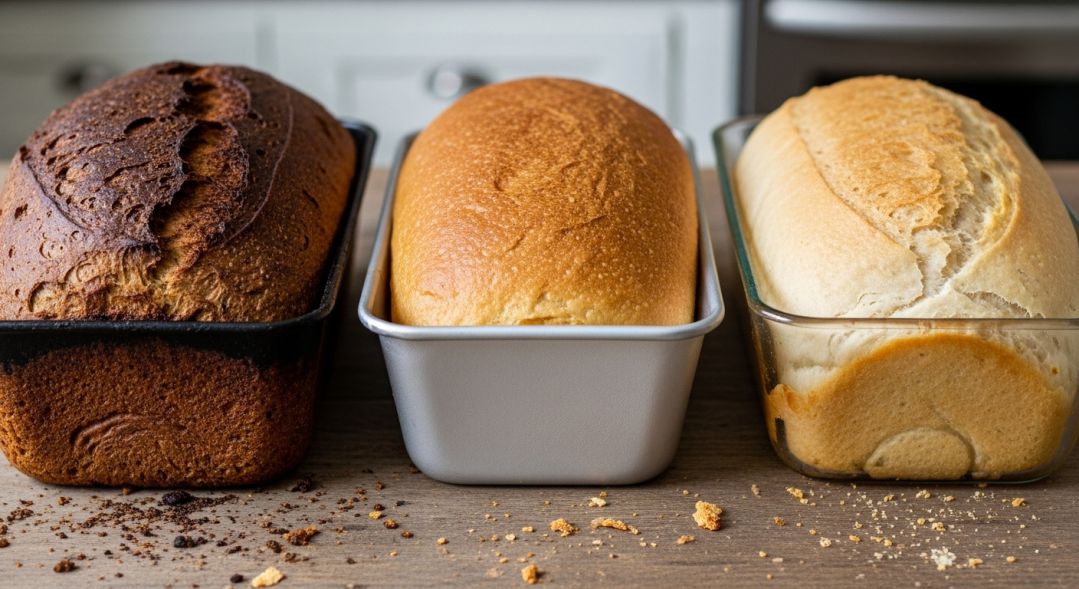
Material conductivity is the technical term for how quickly a pan transfers heat to your food. Aluminum conducts heat quickly and evenly, which is why most professional bakers prefer it. Steel pans can have hot spots. Glass is an entirely different beast—it heats slowly but retains heat longer, which means your bake continues cooking even after you remove it from the oven.
I've adapted my baking approach based on which pan I'm using. For my dark pans, I reduce the oven temperature by 25 degrees and check for doneness about 5 minutes earlier than the recipe states. This prevents over-browning and gives me much more even results.
Oven rack positioning matters more than most recipes mention. I used to just stick everything on the middle rack and hope for the best. Now I'm much more strategic. For loaves that brown too quickly on top, I bake on a lower rack so the top is farther from the heating element. For loaves that aren't browning enough, I move to the upper third of the oven for the last 10 minutes.
The aluminum foil tent trick has saved many loaves from over-browning. When I notice the top getting too dark but the center still needs time, I loosely drape a piece of foil over the pan. This shields the top while allowing the sides and bottom to continue baking. I do this regularly with banana bread, which seems particularly prone to dark tops.
Choosing the Right Loaf Pan for Your Needs
After working with dozens of loaf pans over the years, I've developed strong opinions about what works and what doesn't. Material really is everything. Aluminum pans are my workhorses—they're affordable, heat evenly, and last forever if you hand wash them. They do react with acidic ingredients like tomatoes or lemon, which can give an off taste, but for most baking, they're perfect.
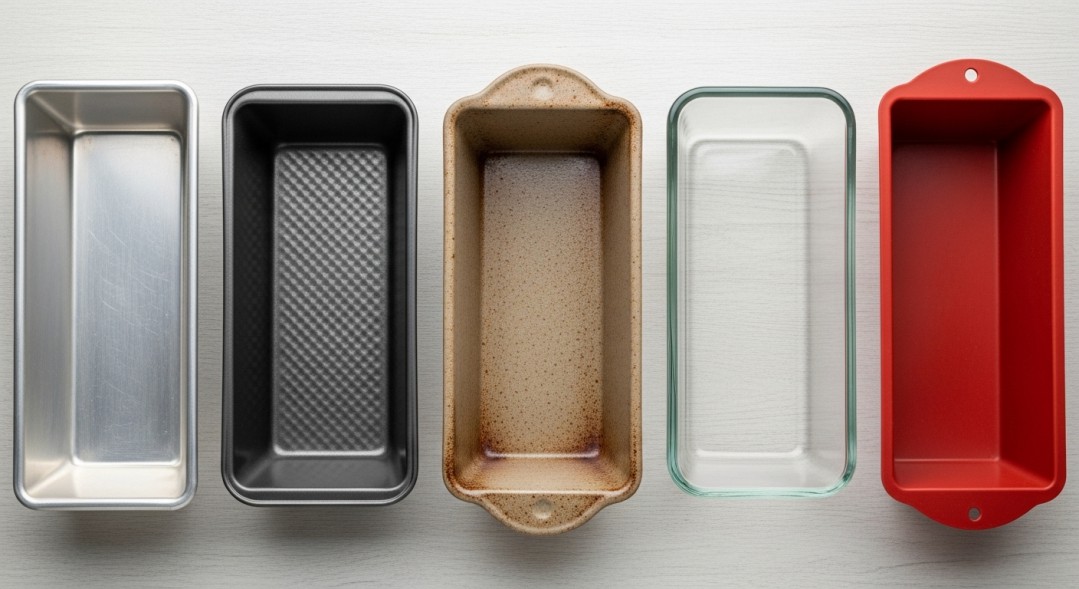
Non-stick pans are convenient, but the coating degrades over time, especially if you use metal utensils or put them in the dishwasher (guilty on both counts). I've noticed that as the coating wears, sticking actually gets worse than with a regular pan. If you go non-stick, invest in a good quality one and treat it gently.
Glass pans are beautiful and let you see the browning on the sides, but they're my least favorite for baking. They hold heat so intensely that I've had multiple instances of over-baked edges. They're fine if you remember to reduce your oven temperature, but I prefer materials that are more forgiving.
Stoneware and ceramic pans are gorgeous and work well once you understand their quirks. They take longer to heat up, which means longer baking times, but they create beautifully even crusts. I use mine mostly for presentation—when I'm taking a bread to a potluck, I bake in stoneware because it looks impressive.
Silicone loaf pans seemed like a great idea when I first got one, but I'm not a fan. They're floppy and awkward to handle when full of batter, and I find they don't brown as well as rigid pans. Plus, they retain odors no matter how much I wash them.
Size is surprisingly important. Standard loaf pans come in 9x5-inch and 8x5-inch sizes, and they're not interchangeable. The volume difference is significant. Most modern recipes are written for 9x5-inch pans. If you use an 8x5-inch pan, you'll have too much batter and risk overflow. Always check your pan dimensions against the recipe requirements.
Maintenance Tips for Longevity
I've learned the hard way that how you care for your loaf pans directly affects how well they perform. My first nice pan got ruined because I scrubbed it with steel wool after a particularly stubborn batch of stuck-on bread. The scratches created rough patches that made everything stick worse afterward.
For non-stick pans, I only use soft sponges and gentle dish soap. Never the dishwasher—the harsh detergents destroy the coating faster than you'd believe. I hand wash, dry immediately, and store with a paper towel between nested pans to prevent scratching.
Aluminum pans can go in the dishwasher, but I still prefer hand washing because it prevents that dull, oxidized look. If they do get discolored, a paste of baking soda and water brings back the shine. I scrub stubborn stuck-on bits with baking soda instead of abrasive cleaners.
When to replace your pan? If food consistently sticks despite proper preparation, or if you see warping, rust, or significant coating damage, it's time. A warped pan creates uneven baking and hot spots. I once kept using a warped pan because I didn't want to spend the money, and every single loaf came out lopsided. Replacing it immediately improved my results.
Storage seems minor, but it matters. I stack my pans with paper towels between them to prevent scratches and chipping. I also make sure they're completely dry before storing—any moisture can lead to rust or musty smells, especially in metal pans.
Final Thoughts: Perfectly Baked Loaves Are Within Reach
Looking back at all my loaf pan disasters, I realize most were completely preventable. The crater cakes, the stuck bread, the burnt bottoms—they all came down to not understanding how loaf pans actually work. Once I learned to match the pan to the recipe, prepare it properly, and adjust for material and temperature, my success rate went from about 60% to nearly 100%.
The beautiful thing about baking is that it's both science and practice. Understanding why your loaf pan has holes, why bread sticks, how to prevent sticking, what causes rising issues, and how to manage browning gives you the knowledge. But it's the repeated practice—the trial and error—that turns that knowledge into instinct.
Start with proper pan preparation. That parchment sling alone will solve so many frustrations. Pay attention to which pan you're using and adjust your temperature accordingly. Check your oven temperature with a thermometer. Don't rush the cooling process. These simple adjustments have transformed my baking from hit-or-miss to reliably excellent.
Your loaf pan isn't actually sabotaging you—it's just waiting for you to understand its language. Once you do, those perfect golden loaves with tender crumbs and easy release become not just possible, but expected. And that's when baking stops being stressful and starts being the joy it's supposed to be.
Now if you'll excuse me, I have a lemon pound cake calling my name, and I know exactly which pan I'm reaching for.
Leave a Reply