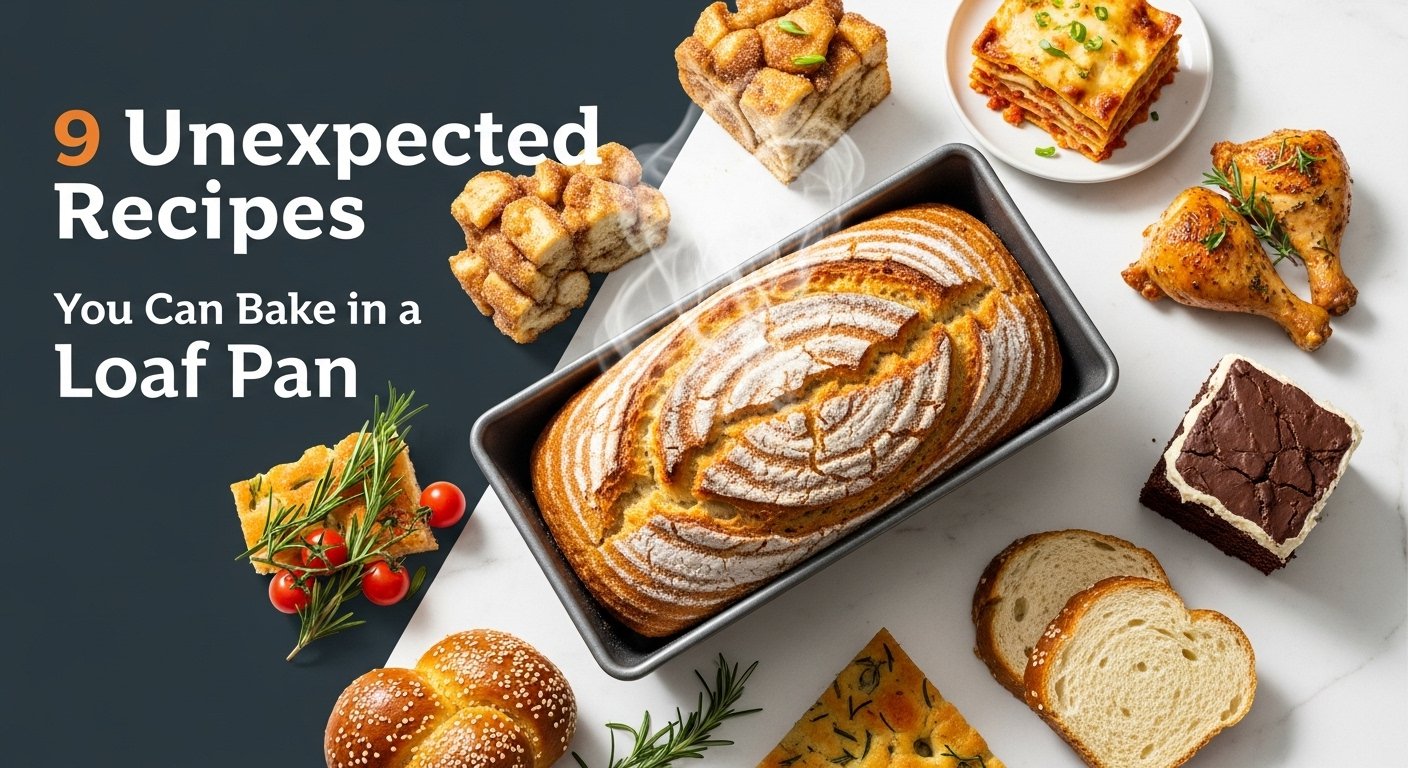
I'll be honest—for years, my loaf pan collected dust between occasional banana bread sessions. It seemed like such a one-trick pony compared to my sheet pans and cast iron skillets. But during a particularly ambitious weekend of recipe testing (read: procrastinating on actual work), I discovered something incredible: this humble rectangular pan is actually one of the most versatile tools in my kitchen.
What started as a "let's see what happens" experiment with leftover chicken has turned into a full-blown obsession. I've stuffed, layered, braided, and baked just about everything you can imagine in these pans. Some attempts were disasters—we don't talk about the upside-down cake incident—but most were revelations that completely changed how I cook.
If you've got a loaf pan hiding in your cabinet, it's time to put it to work. Here are nine unexpected recipes that'll make you wonder why you ever limited this pan to quick breads.
1. Savory Surprise: Loaf Pan Chicken
Tender, Juicy Chicken Dinner in Your Bread Pan
The first time I tried loaf pan chicken, I was skeptical. Really skeptical. But I had chicken thighs that needed cooking, all my other pans were dirty, and I was feeling lazy. So I seasoned those thighs, tucked them into my 9x5 loaf pan, and hoped for the best.
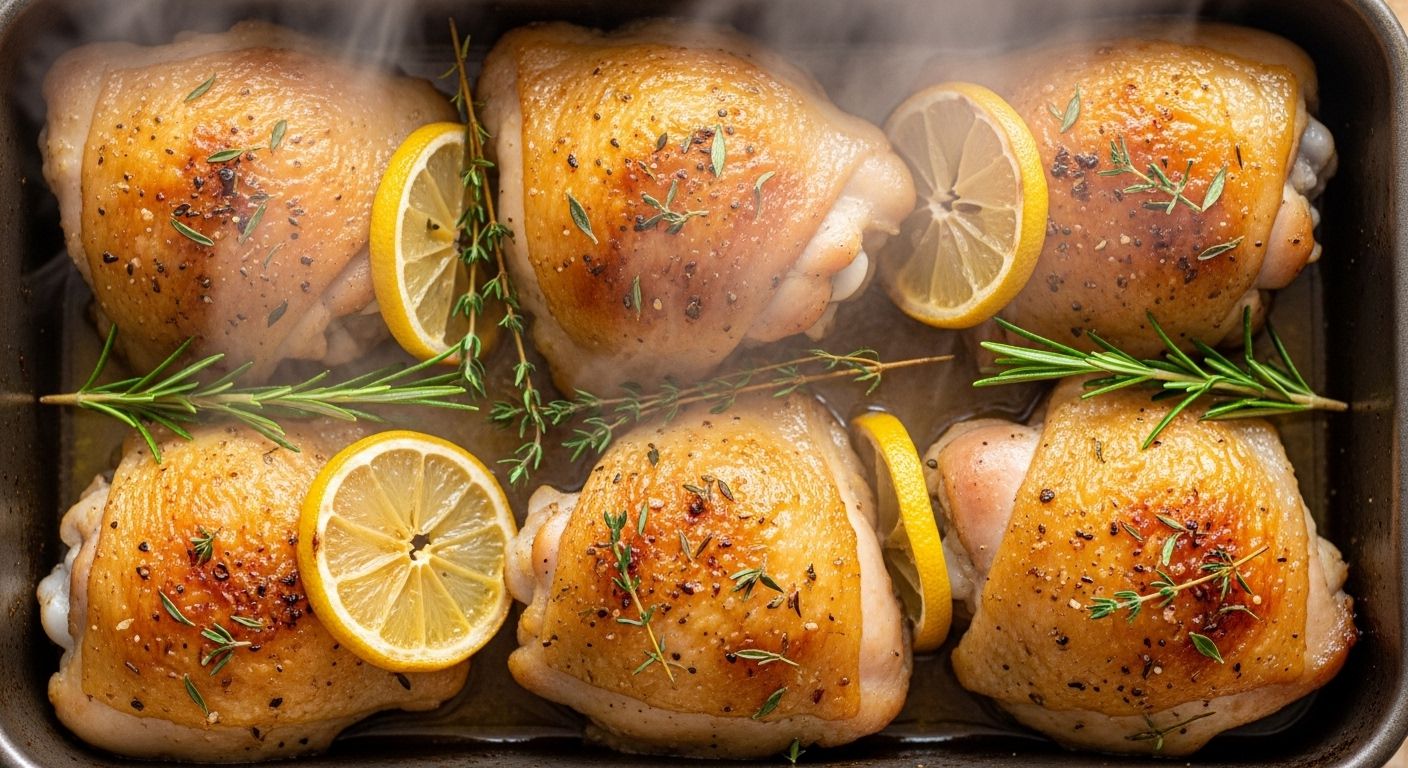
What came out of the oven was genuinely shocking—perfectly cooked, ridiculously juicy chicken with none of the dry, sad texture I usually get from baking. The magic is in how the high sides of the pan trap moisture and create a mini-steam environment. The chicken essentially bastes itself as it cooks.
Here's what works best: Use bone-in, skin-on chicken thighs for maximum flavor and moisture. Season them generously—I'm talking salt, pepper, garlic powder, paprika, and whatever herbs are lurking in your cabinet. Arrange them skin-side up in the pan, squeezing them in fairly snugly. The tight fit is actually a good thing.
Bake at 425°F for about 35-45 minutes, depending on the size of your thighs. The skin gets gorgeously crispy on top while the meat stays tender. One of my favorite tricks is to line the bottom of the pan with sliced potatoes, carrots, or Brussels sprouts before adding the chicken. The vegetables soak up all those delicious drippings, and you've got a complete one-pan meal.
The only downside? You're limited to about 4-5 thighs depending on size, so this isn't your dinner party solution. But for weeknight meals or small households, it's absolutely perfect. Plus, cleanup is infinitely easier than dealing with a big roasting pan.
2. Perfect Portions: Muffin Batter in Loaf Pan
Turn Any Muffin Recipe Into Sliceable Quick Bread
I stumbled onto this idea after realizing I was too lazy to fill twelve individual muffin cups for breakfast. Revolutionary? No. Life-changing? Surprisingly, yes.
Any muffin batter works beautifully in a loaf pan, and the results are somehow more elegant than regular muffins. Instead of dealing with muffin liners and uneven tops, you get a gorgeous loaf that slices cleanly and looks like you actually tried. My go-to is blueberry muffin batter—it transforms into something that could pass for fancy café quick bread.
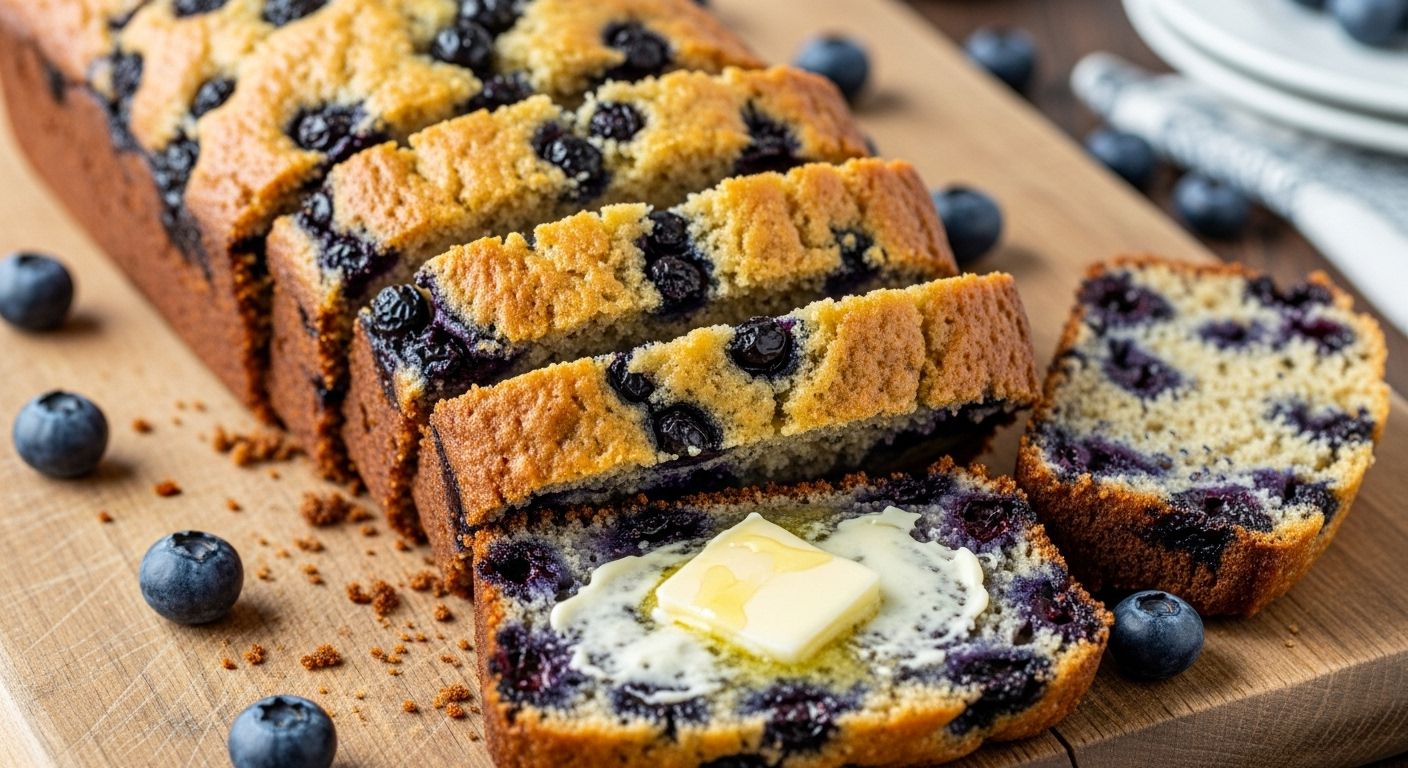
The conversion is straightforward but requires patience. Pour your standard muffin batter into a greased loaf pan, filling it about two-thirds full. The baking time roughly doubles—if your muffins bake for 20 minutes, expect the loaf to need 40-45 minutes. Start checking around the 35-minute mark with a toothpick inserted into the center.
The texture is slightly different from individual muffins. The edges get delightfully crispy while the center stays incredibly moist and tender. I've found that chocolate chip muffin batter works phenomenally well, as does anything with fruit or nuts. Morning glory muffin batter—the kind loaded with carrots, apples, and raisins—makes an especially impressive loaf.
One warning from experience: resist the urge to slice it while it's hot. I know it smells amazing and you want to dive in immediately, but warm quick bread turns to crumbs under a knife. Let it cool for at least 15 minutes, preferably 30. Your patience will be rewarded with clean, beautiful slices instead of a crumbly mess.
3. Simplified Baking: Box Cake Mix in Loaf Pan
Small-Batch Cakes Without Waste
Let's talk about box cake mix for a second, because sometimes you just want cake without the commitment of two or three layers. I live alone most of the time, and making a full sheet cake means I'm eating cake for breakfast, lunch, and dinner for three days straight. Not that I'm complaining, but my jeans do.
A standard box cake mix makes way too much for a single loaf pan, so here's what I do: use half the box and adjust the wet ingredients accordingly. For most mixes, that means one egg instead of two or three, and half the oil and water. Mix it up like normal, pour it into your greased loaf pan, and bake at 325°F—yes, drop the temperature by 25 degrees from what the box says.
The baking time stretches to about 40-50 minutes instead of the usual 25-30 for round pans. You're looking for that toothpick to come out clean and the top to spring back when lightly touched. I've made chocolate, yellow, lemon, and spice cake this way, and all have turned out beautifully.
What I love about loaf-shaped cake is how easy it is to frost and decorate. You're working with flat surfaces instead of trying to make layers stick together or creating that awful sliding effect. A simple cream cheese frosting spread over the top and sides looks polished without requiring any actual skill. You can also just dust it with powdered sugar and call it a day—it still looks intentional and pretty.
Storage is another unexpected perk. Loaf cakes fit perfectly in those rectangular storage containers or can be wrapped tightly in foil without weird gaps. They also freeze exceptionally well. I've wrapped slices individually for grab-and-go desserts, and they thaw in minutes at room temperature.
4. Italian Comfort Food Reimagined: Lasagna in Loaf Pan
Individual-Sized Lasagna with Perfect Layers
Okay, this one sounds weird until you try it. I was meal prepping one Sunday and got tired of making giant pans of lasagna that required freezing in awkward portions. Then I looked at my loaf pan and had what can only be described as a lightbulb moment.
Lasagna in loaf pan works brilliantly, but you need to rethink your layering strategy. The narrow pan means you're building up rather than out, which creates these stunning cross-sections when you slice into it. I've done it two ways: traditional horizontal layers (just smaller) and standing the noodles vertically for a really dramatic look.
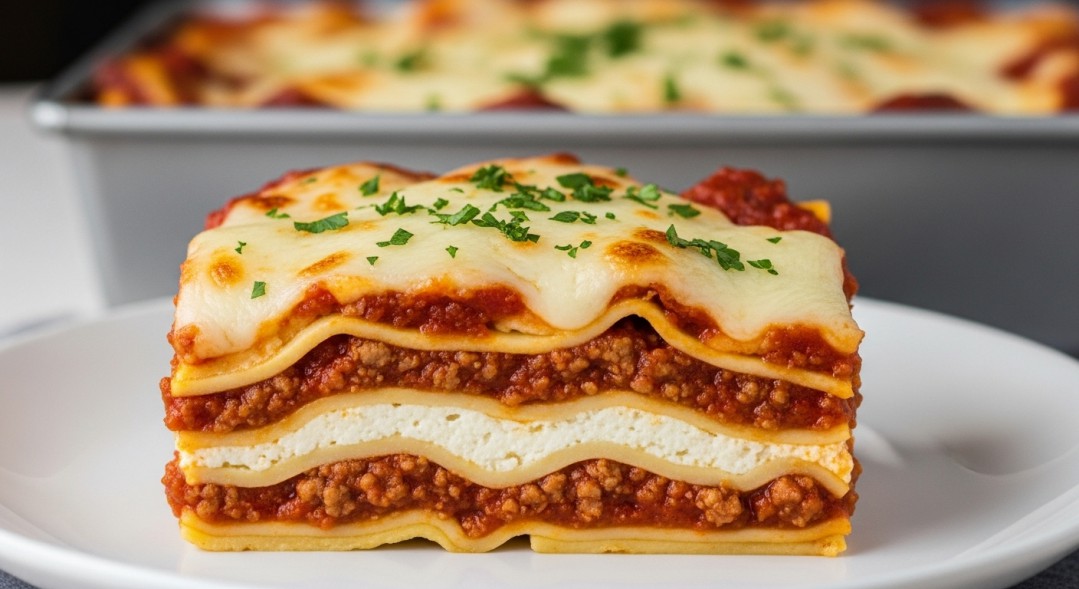
For the traditional method, break your lasagna noodles to fit the length of the pan—usually, you can snap them in half. Start with sauce on the bottom, then noodles, ricotta mixture, meat or vegetables, mozzarella, and repeat. You'll get about 3-4 layers depending on your pan depth. The key is to really pack in those layers and not be stingy with the cheese. This is not the time for restraint.
The vertical method is more architectural and totally Instagram-worthy if you care about that sort of thing. Stand cooked lasagna noodles on their edges lengthwise in the pan, then carefully spoon sauce and cheese between each noodle. It's fussier, I won't lie, but the reveal when you slice it is pretty spectacular.
Bake at 375°F for about 45 minutes covered with foil, then remove the foil for the last 15 minutes to get that bubbly, golden cheese top. One loaf pan serves about 4-6 people depending on appetite, or gives you several days of lunches. The best part? It slices cleanly without falling apart into a sauce-covered mess like traditional lasagna sometimes does.
I make these ahead and freeze them constantly. Wrap the whole pan in plastic wrap and then foil before freezing. Bake from frozen by adding an extra 20-30 minutes of covered baking time.
5. Sweet Pull-Apart Delight: Monkey Bread in Loaf Pan
Cinnamon-Sugar Magic in a Compact Shape
Monkey bread in loaf pan might be my favorite discovery on this entire list. Traditional monkey bread in a bundt pan is delicious but awkward to serve—you're either turning it out and hoping it doesn't stick, or you're hacking chunks off with a spoon like some kind of cinnamon-sugar barbarian.
The loaf pan version solves all these problems. You get the same delicious pull-apart effect, but with actual structure that you can slice and serve like civilized people. Plus, the rectangular shape means more of those glorious crispy-sugary edges that everyone fights over.
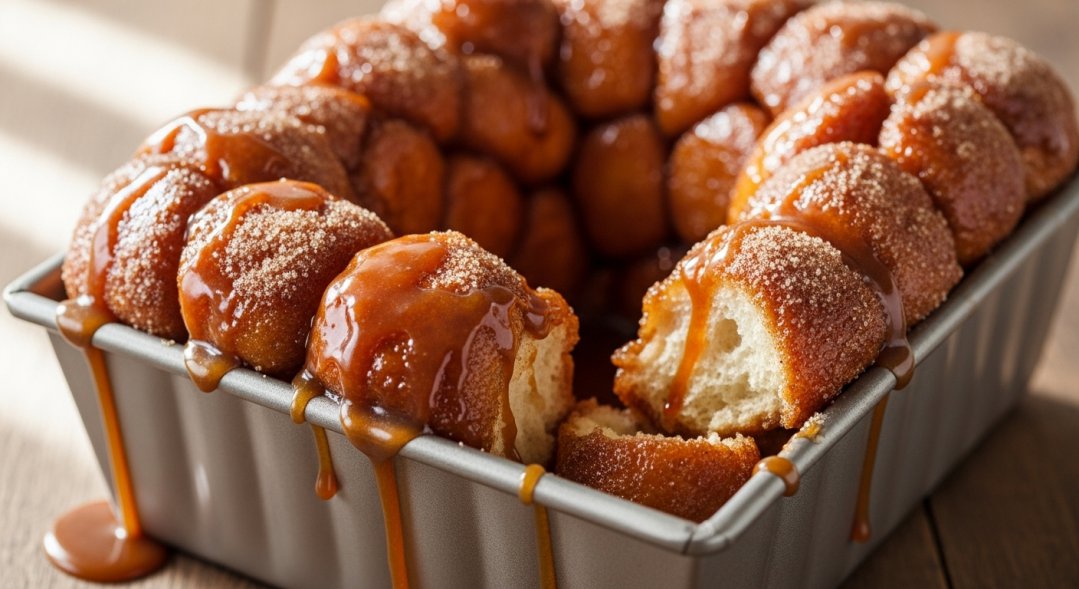
I make mine with refrigerated biscuit dough because I'm not interested in making yeast dough from scratch before coffee. Cut each biscuit into quarters, roll them in melted butter, then toss them in a mixture of cinnamon and sugar. Layer them in your greased loaf pan, trying not to pack them too tightly—they need room to expand.
The butter and sugar mixture gets poured over the top before baking, and it seeps down between all those dough pieces to create pockets of caramelized heaven. Bake at 350°F for about 30-35 minutes until the top is golden and the dough is cooked through. The smell alone is worth making this.
Here's the best part: let it cool for about 10 minutes, then run a knife around the edges and turn it out onto a plate. Or don't—you can slice it right in the pan with a serrated knife. Each slice has multiple pull-apart pieces, and it's so much easier to serve than trying to portion out bundt pan monkey bread.
I've experimented with savory versions too, using everything bagel seasoning or garlic and herbs instead of cinnamon sugar. They're fantastic for brunch alongside eggs, and they impress people way more than the effort involved deserves.
6. Artisan at Home: Focaccia in Loaf Pan
Tall, Fluffy Italian Bread Without a Baking Sheet
I never thought I'd make focaccia in loaf pan until I ran out of sheet pans during a particularly ambitious baking day. But it turns out this might actually be better than the traditional method for a few reasons.
First, the high sides of the loaf pan encourage the dough to rise up instead of spreading out, giving you this tall, fluffy bread with an incredible texture. Second, you get those crispy edges on four sides instead of just the perimeter. Third, it's much easier to control the olive oil situation—no more pools of oil running off the edges of your sheet pan.
The process is almost identical to regular focaccia. Make your dough (or use store-bought pizza dough if you're short on time—I won't judge), let it rise, then press it gently into your well-oiled loaf pan. Let it proof for another 30-45 minutes until it's puffy and fills the pan. Now comes the fun part: dimple the top with your fingers, creating those characteristic focaccia divots. Drizzle generously with olive oil, sprinkle with flaky salt, and add whatever toppings make you happy.
I'm partial to rosemary and garlic, but cherry tomatoes, olives, caramelized onions, or even just more salt all work beautifully. The toppings sit in those dimples instead of rolling off like they sometimes do on flat focaccia. Bake at 425°F for about 25-30 minutes until the top is golden and the bottom sounds hollow when you tap it.
The resulting bread is perfect for slicing horizontally for sandwiches—you get these thick, fluffy pieces with crispy exteriors and soft, olive-oil-soaked interiors. It's also easier to store than a big sheet pan's worth of focaccia. I wrap slices individually and freeze them for quick lunches.
One tip from painful experience: use plenty of olive oil. Like, more than you think you need. Focaccia should be nearly dripping with it. If you're stingy, you'll end up with dry bread that sticks to the pan. Don't be me on my first attempt.
7. Braided Beauty: Challah in Loaf Pan
Elegant Egg Bread Simplified
Challah in loaf pan was a game-changer for my Friday night dinners. Traditional braided challah is gorgeous, don't get me wrong, but it requires a level of braiding skill I simply don't possess before my morning coffee. And let's be real—sometimes you just want challah for toast or French toast, not a centerpiece.
Making challah in a loaf pan gives you all that rich, eggy, slightly sweet flavor in a format that's infinitely more practical for everyday use. You can still do a simple braid if you want—just make three or four strands and lay them in the pan. The pan supports the structure, so even a messy braid looks intentional. Or skip the braiding entirely and just shape the dough into a log. It still tastes exactly the same.
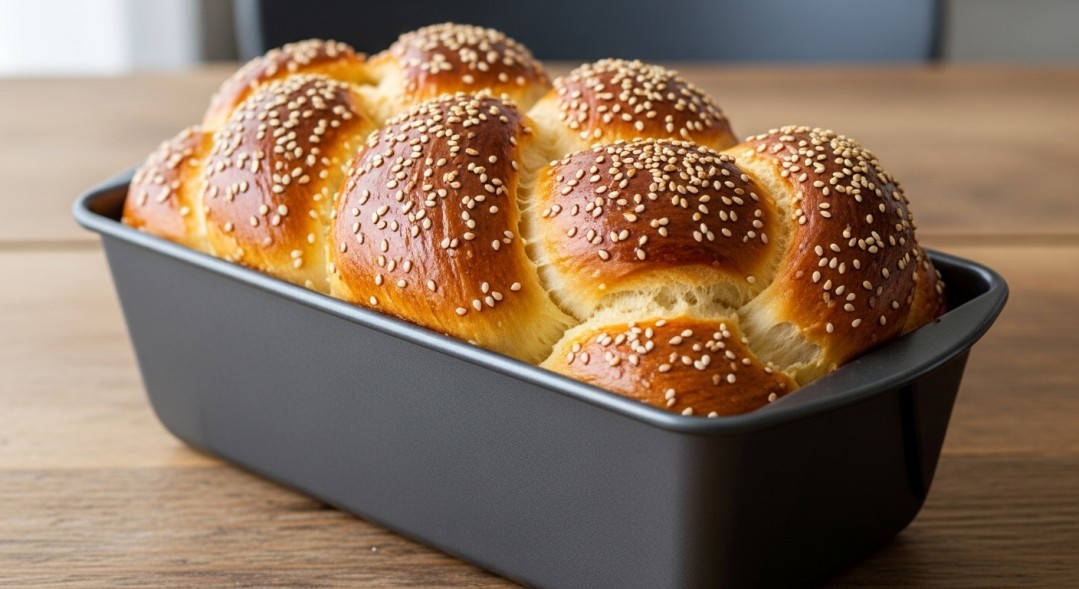
The enriched dough—loaded with eggs, oil, and a touch of honey—rises beautifully in the confined space of a loaf pan. You get a taller, more dramatic rise than you might with a free-form loaf, and the texture stays incredibly soft and tender. Brush the top with egg wash before baking for that characteristic glossy, golden-brown finish.
I bake mine at 350°F for about 35-40 minutes, tenting with foil if the top browns too quickly. The smell while it's baking is intoxicating—rich, eggy, slightly sweet. It fills the entire house with a warmth that makes even weeknight dinners feel special.
For the squarest slices (perfect for sandwiches or French toast), you can use a Pullman loaf pan with a lid. The lid keeps the top flat as it bakes, giving you perfectly uniform slices. I don't own one, so I just use my regular loaf pan and embrace the slightly domed top. It slices just fine with a serrated knife.
Leftover challah makes the best French toast you'll ever eat. The eggy richness of the bread itself combines with the custard coating to create something transcendent. It also freezes beautifully—slice it first, then freeze with parchment paper between slices for easy grab-and-go pieces.
8. Rustic Irish Classic: Irish Soda Bread in Loaf Pan
Traditional Flavor in a Modern Format
Irish soda bread in loaf pan might be controversial in some circles—traditionalists will argue it should be free-form with that iconic cross cut into the top. But after making it both ways dozens of times, I'm team loaf pan all the way.
The traditional version is beautiful, but it bakes unevenly. You get a craggy, crusty exterior with a dense interior, and slicing it neatly is nearly impossible. The loaf pan version bakes more evenly, stays together when you slice it, and is infinitely better for toasting or making sandwiches. You sacrifice some rustic charm, but you gain practicality.
The recipe itself doesn't change—it's still just flour, baking soda, salt, and buttermilk, maybe with some raisins and caraway seeds if that's your thing. Mix it together until just combined (don't overwork it or you'll get tough bread), then plop it into your greased loaf pan. The dough will be shaggy and rough—this is normal and correct.
You can still score the top with a knife if you want that traditional look, though it won't open up as dramatically as it does on a free-form loaf. Bake at 375°F for about 45-50 minutes until it's golden brown and sounds hollow when you tap the top. Let it cool completely before slicing, or you'll end up with a gummy mess.
The crust won't be as thick or crunchy as the traditional version, but it's still deliciously crispy with that characteristic tangy, slightly sweet flavor from the buttermilk and baking soda. Sliced thick and toasted with butter, it's one of the most comforting things you can eat.
If you don't have buttermilk, use regular milk with a tablespoon of lemon juice or vinegar stirred in. Let it sit for five minutes before using. I've also made this with yogurt thinned with a bit of milk, and it works perfectly. The key is getting that acid to react with the baking soda—that's what makes the bread rise and gives it its distinctive flavor.
9. Minimal Effort, Maximum Flavor: No Knead Bread in Loaf Pan
Crusty Artisan Bread While You Sleep
No knead bread in loaf pan has become my default bread-making method, and I genuinely don't understand why anyone does it any other way unless they're specifically after that round artisan loaf look. The Dutch oven method that most no-knead recipes call for works great, but it requires you to own a Dutch oven and have decent upper body strength to wrangle screaming-hot cast iron.
The loaf pan method is simpler, safer, and yields bread that's actually more practical for sandwiches and toast. You still get that incredible flavor from the long fermentation, the craggy holes in the crumb, and a crispy crust—just in a more user-friendly shape.
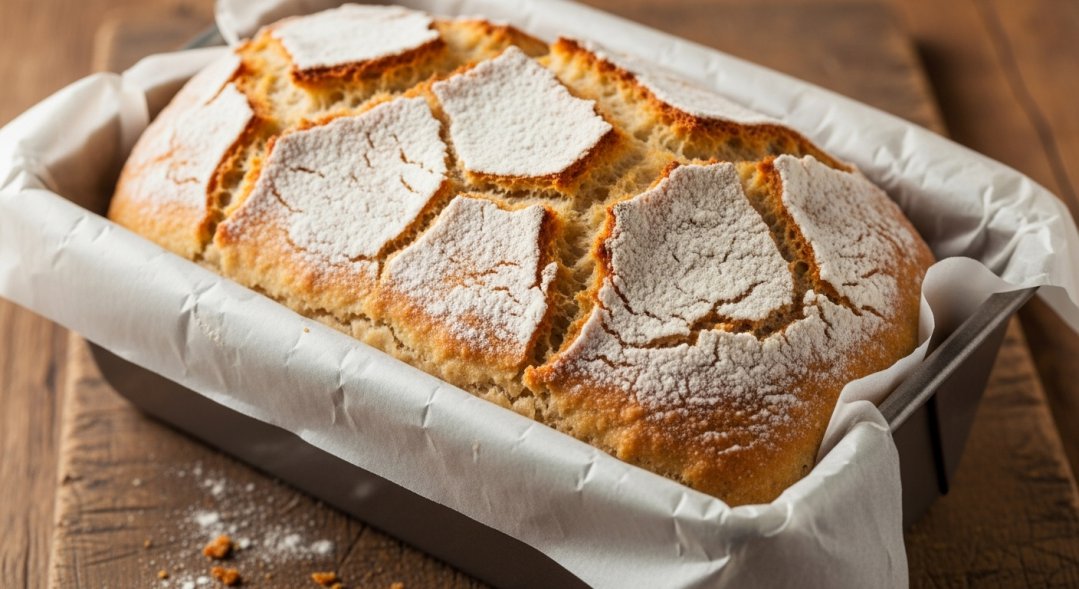
The process is dead simple: mix flour, water, salt, and a tiny bit of yeast in a bowl. Cover it and leave it on the counter for 8-24 hours while it ferments and develops flavor. That's it for day one. On day two, scrape the risen dough into a well-greased or parchment-lined loaf pan, let it proof for another hour or two, then bake.
Here's where the technique differs slightly from traditional no-knead bread. You want to create steam in your oven to help develop that crispy crust. I do this by putting a metal pan on the bottom rack and pouring boiling water into it right before I put the bread in the oven. Be careful—it creates a lot of steam quickly. Close the oven door fast.
Bake at 450°F for about 30 minutes, then reduce to 375°F for another 15-20 minutes. You're looking for a deep golden brown crust that sounds hollow when you tap it. The internal temperature should be around 200°F if you want to be precise about it.
The bread that emerges is crusty on the outside, chewy on the inside, with complex flavor that makes store-bought bread taste like sadness. It slices beautifully for sandwiches, toasts like a dream, and keeps for days wrapped in a kitchen towel.
I've experimented with both room temperature and refrigerated fermentation. Room temperature is faster but requires more timing precision. Cold fermentation in the fridge (mix the dough, let it rise for an hour at room temp, then refrigerate for up to three days) gives you more flexibility and even better flavor development. Just take it out, let it come to room temperature, shape it into the pan, proof, and bake.
The only real downside is that you need to plan ahead. You can't decide at 4pm that you want fresh bread for dinner. But once you get into a rhythm of mixing dough every few days, you always have fresh bread available with almost no active work.
Making the Most of Your Loaf Pan
After months of shoving everything imaginable into loaf pans, I've learned a few universal truths. First, invest in at least two good-quality metal loaf pans—not glass, not ceramic. Metal conducts heat better and gives you more reliable results. I like the standard 9x5-inch size for most recipes, though an 8.5x4.5-inch works for smaller batches.
Second, parchment paper is your friend. For anything sticky or caramel-based, line the pan with parchment cut to fit the bottom and hang over the long sides. It creates handles for easy removal and saves you from scrubbing baked-on disasters.
Third, don't be afraid to experiment. The worst that happens is you end up with some weird but probably still edible food. I've successfully made meatloaf (obviously), frittatas, baked oatmeal, brownies, and even a deeply questionable but surprisingly tasty enchilada stack in these pans. Some things work better than others, but the experimentation is half the fun.
The loaf pan's superpower is its ability to transform recipes into more practical, slice-able, storable versions of themselves. It takes recipes that are usually messy or awkward and gives them structure. It turns one-off desserts into make-ahead freezer staples. It makes small-batch cooking actually feasible instead of just a cute idea that leaves you scaling down recipes and guessing at measurements.
So dig out that loaf pan that's been collecting dust behind your muffin tins. Give it a good wash and start experimenting. Whether you're making savory dinners, sweet treats, or artisan breads, this humble pan is about to become one of your kitchen's hardest workers. And unlike me, you won't have to learn through trial and error—though I won't lie, the errors were sometimes pretty entertaining.
Leave a Reply